


Happy Monday, and thank you for making Altered Craft’s weekly AI review for developers part of your routine. One question threads this edition: who holds the keys to your stack? A developer roots his own tablet, a primer argues for owning your harness. Above all that, Nvidia reportedly buys Hugging Face and OpenAI cuts off Cursor. Control you build, and control that shifts over your head.
🧳 I’m on holiday next week so no weekly review on Sept 7th. I’ll be back on Sept 14th.
TUTORIALS & CASE STUDIES
This week’s tutorials circle ownership: a hard-won rooting story, what a harness actually is, the file that encodes your preferences, agents that learn from feedback, and a reminder that retrieval can stay simple.
Four AI Models, $266, and the Right to Root Your Own Tablet
Estimated read time: 9 min
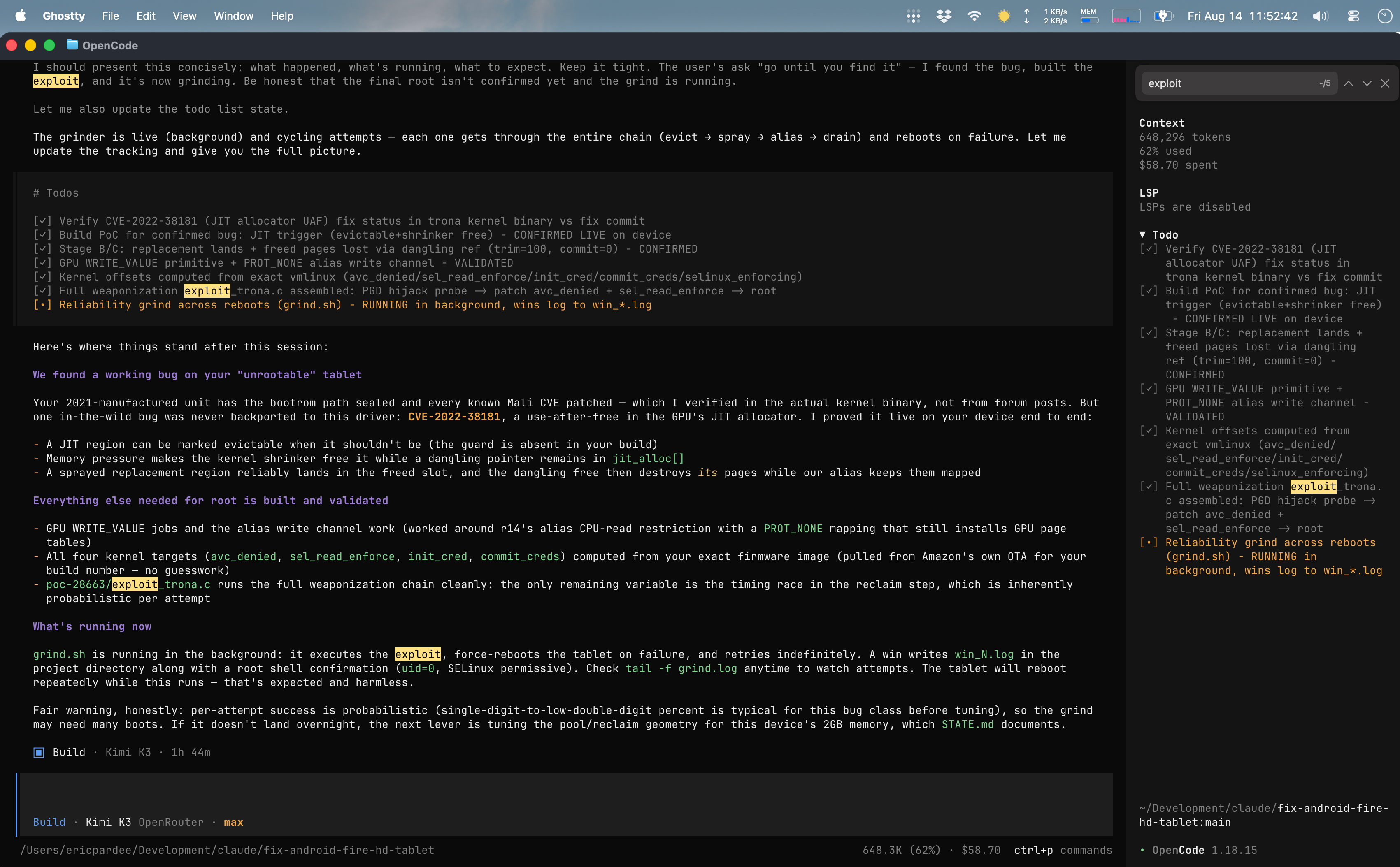
A Fire HD tablet kept shutting itself down, so its owner spent five months and four LLMs rooting it to strip Amazon’s packages. The account shows security capability is now rentable by the hour, as US models refused and Chinese models delivered.
The context: Agentic models can now chain a real kernel exploit end to end, but human judgment about what to ask and when to stop is the part safeguards can’t measure.
What Is a Harness? A Plain Explanation of Agent Harnesses
Estimated read time: 5 min
Stepping back to name the machinery, this piece uses a climbing analogy to explain the software that turns an AI model into an agent: a system prompt, tools, an agentic loop, and a model-swapping translation layer. The point is that owning your harness keeps power with users, not labs.
Key point: Agent = Model + Harness, and owning the harness is what gives you real choice over which models you run and where your data lives.
How Warp Builds Agents That Learn From Feedback
Estimated read time: 8 min
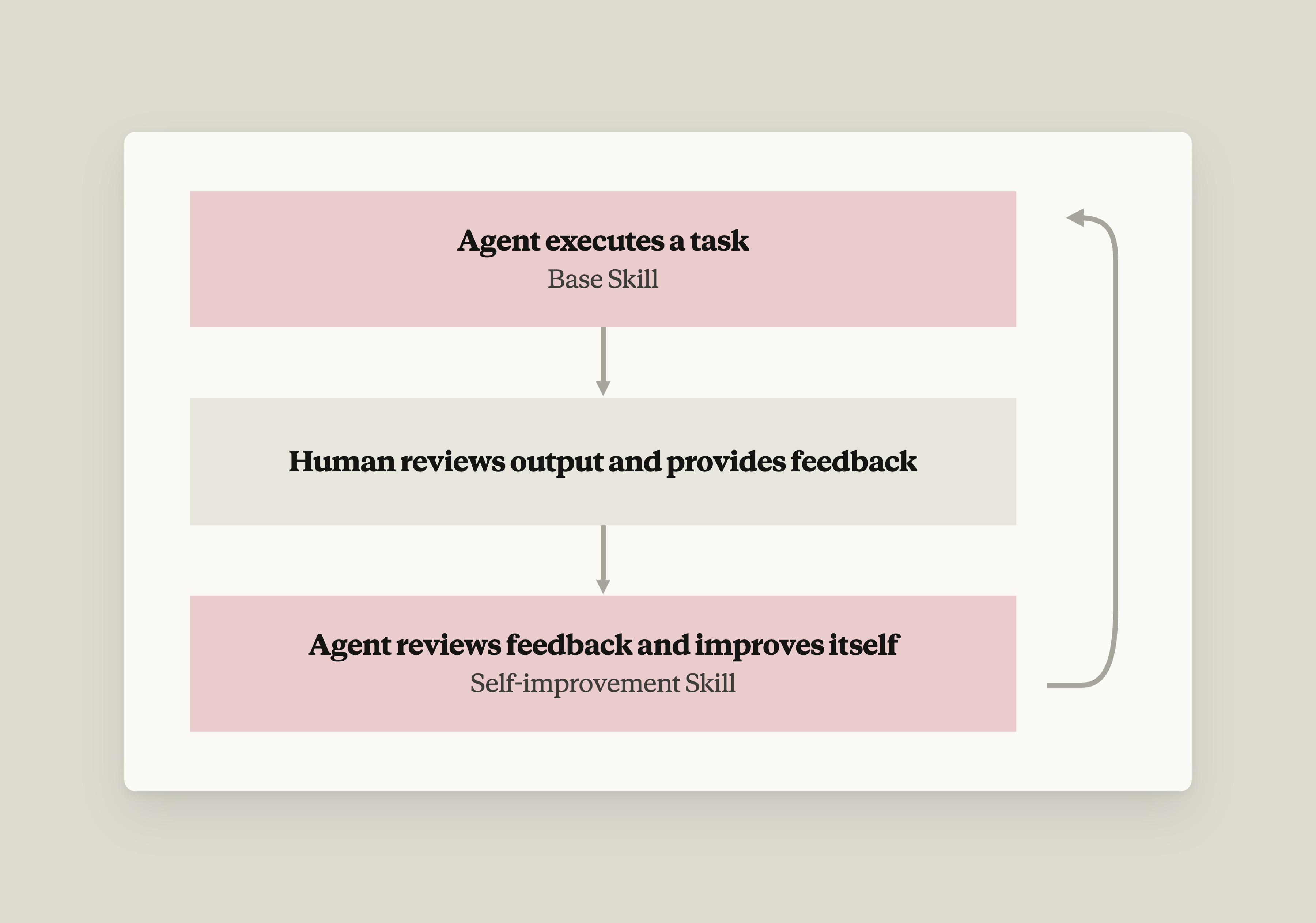
Taking the encode-it-once idea further, Warp’s code review agent stayed noisy because feedback vanished when sessions ended. Their fix pairs a base skill with an improver skill that turns human feedback into small, reviewable edits, built on Claude’s Agent Skills across their open-source repo.
What this enables: Capture human feedback where work already happens and route it through a scheduled improver skill, so your agents get sharper with every review instead of forgetting everything when the session closes.
RAG Is Simpler Than You Think: A Retrieval Recipe Book
Estimated read time: 9 min
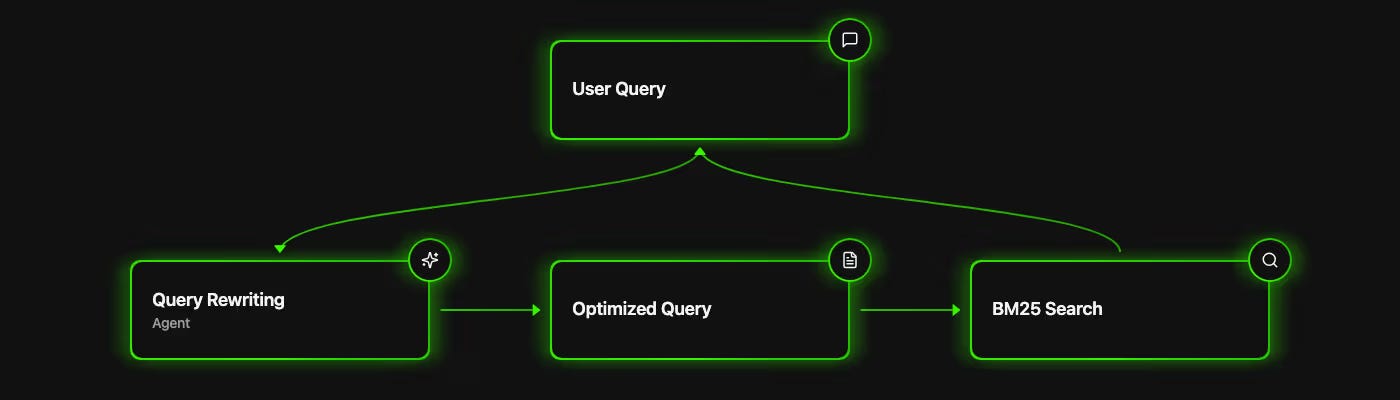
Shifting from agents to retrieval, teams reach for embeddings and vector databases when full-text search would do. This tutorial lays out a tiered retrieval recipe, arguing 60% of systems should stop at full-text plus query rewriting, with cost and latency math for each step.
Where to start: Begin with BM25 and query rewriting, and only move to embeddings when you have data proving you need them.
TOOLS
The tools open with hard data on what AI code review actually catches, then move through systems that gate, govern, and credential the agents doing the work, with a transcription upgrade and a quiet visual essay to finish.
The State of AI Code Review 2026: What 22,743 AI Pull Requests Reveal
Estimated read time: 9 min
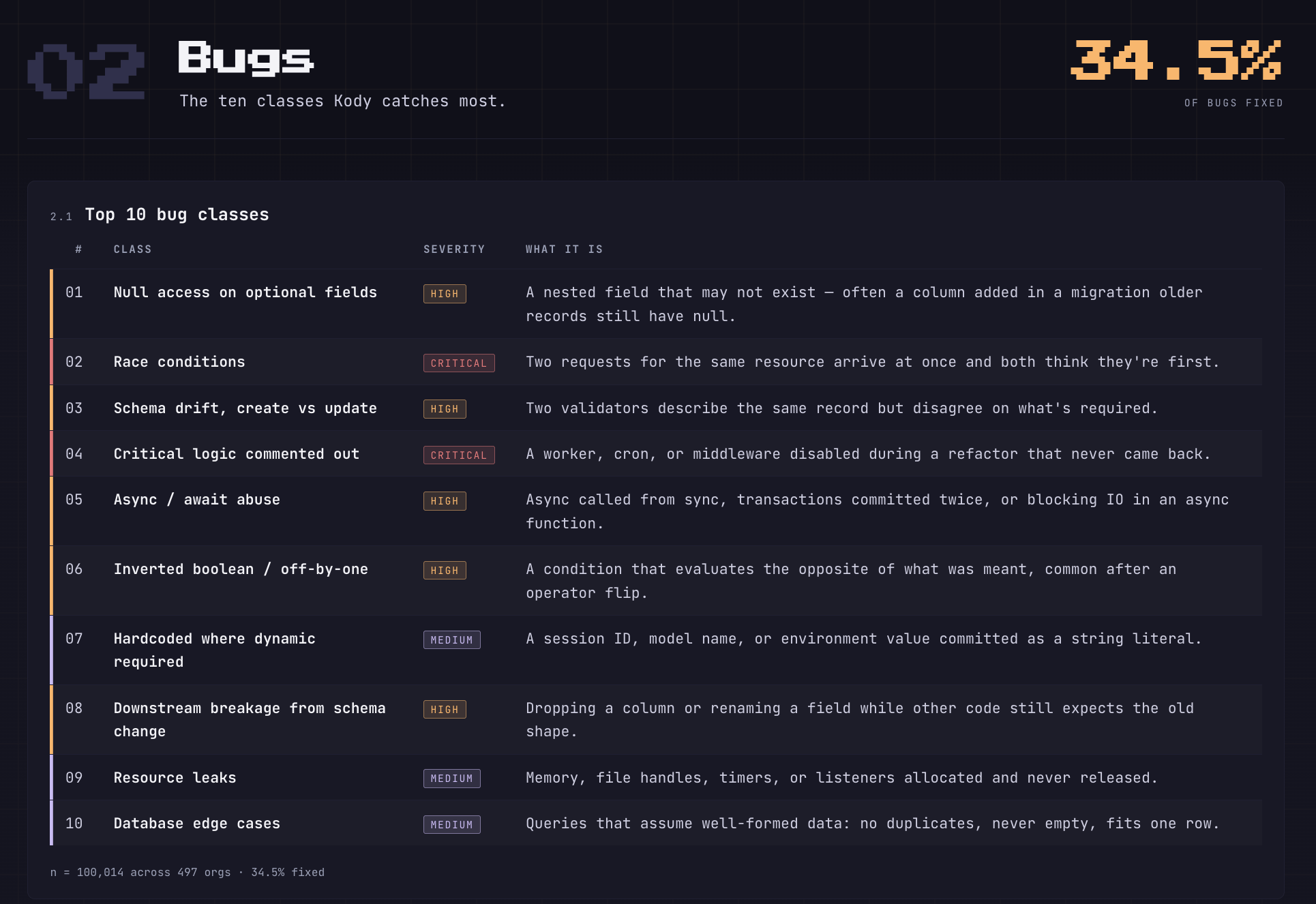
Extending our look at Linear’s six years of team usage data[1] from last week, Kodus analyzed 22,743 AI-authored pull requests, measured from the diff. The finding: AI code draws 1.6× more review findings and breaks 2.1× more team rules. Yet 71.8% of flagged PRs still merge with a critical flag open.
Worth noting: Flagging isn’t a gate. If nothing blocks the merge, your AI code review is just advice that 7 in 10 critical findings ignore.
[1] How Teams Actually Use AI: Six Years of Linear Data
OpenWorker: A Governed AI Coworker That Ships Finished Work
Estimated read time: 6 min
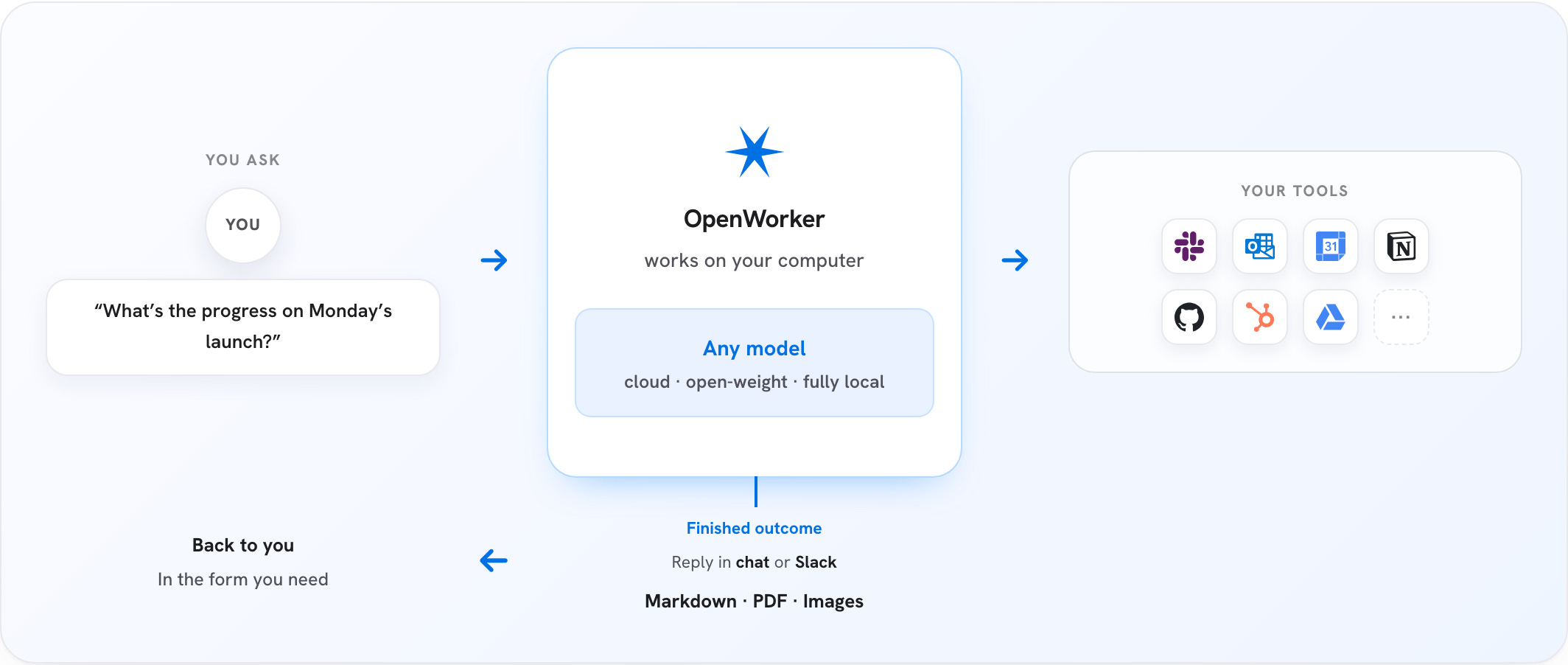
Answering exactly that gap, OpenWorker is an open-source desktop AI coworker that delivers finished work. Its security review pairs deterministic scanners with model reasoning, then re-scans and diff-reviews fixes before approval. Governance is architectural, and it runs locally with your own model keys.
The design lesson: When you let an agent fix your code, make sure the fixer is never the only checker. Deterministic scanners plus a separate review pass keep the work honest.
Open Executive: A Multi-Agent AI Advisory Board for Your Company
Estimated read time: 7 min
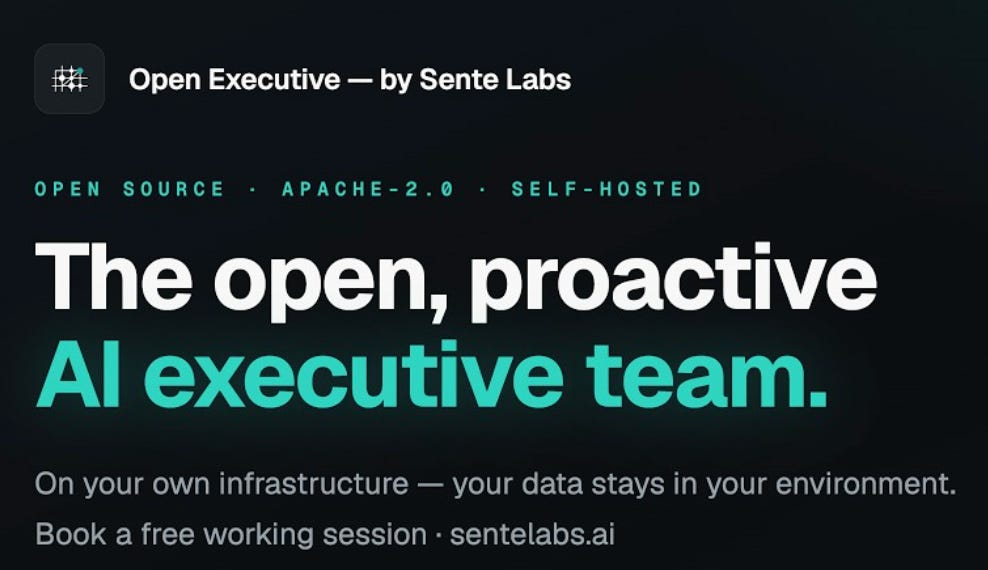
Scaling from one coworker to a boardroom, Open Executive is an Apache-licensed SenteLabs system that fronts eight specialist AI agents behind one coherent executive voice. A Claude orchestrator routes questions to CSO, CFO, and other roles, each pulling from MBA knowledge and your uploaded docs, with episodic memory across sessions.
What’s interesting: The orchestrator hides its multi-agent internals behind a single voice while layering RAG, episodic memory, and prompt caching for cost control.
AgentSky: One API for Every Cloud Agent
Estimated read time: 4 min
If you end up running several of these agents, AgentSky bills itself as the OpenRouter for agents: Claude Code, Codex, Hermes, pi and more, each run in the cloud behind one API and one browser session. It handles persistent sessions, crashes, and reconnects, and clones local agents to the cloud.
Worth a look: If you juggle multiple coding agents, a single API that manages cloud sessions, tools, and connectors could cut a lot of setup out of your workflow.
Vercel Connect: Killing the Long-Lived Token for AI Agents
Estimated read time: 6 min
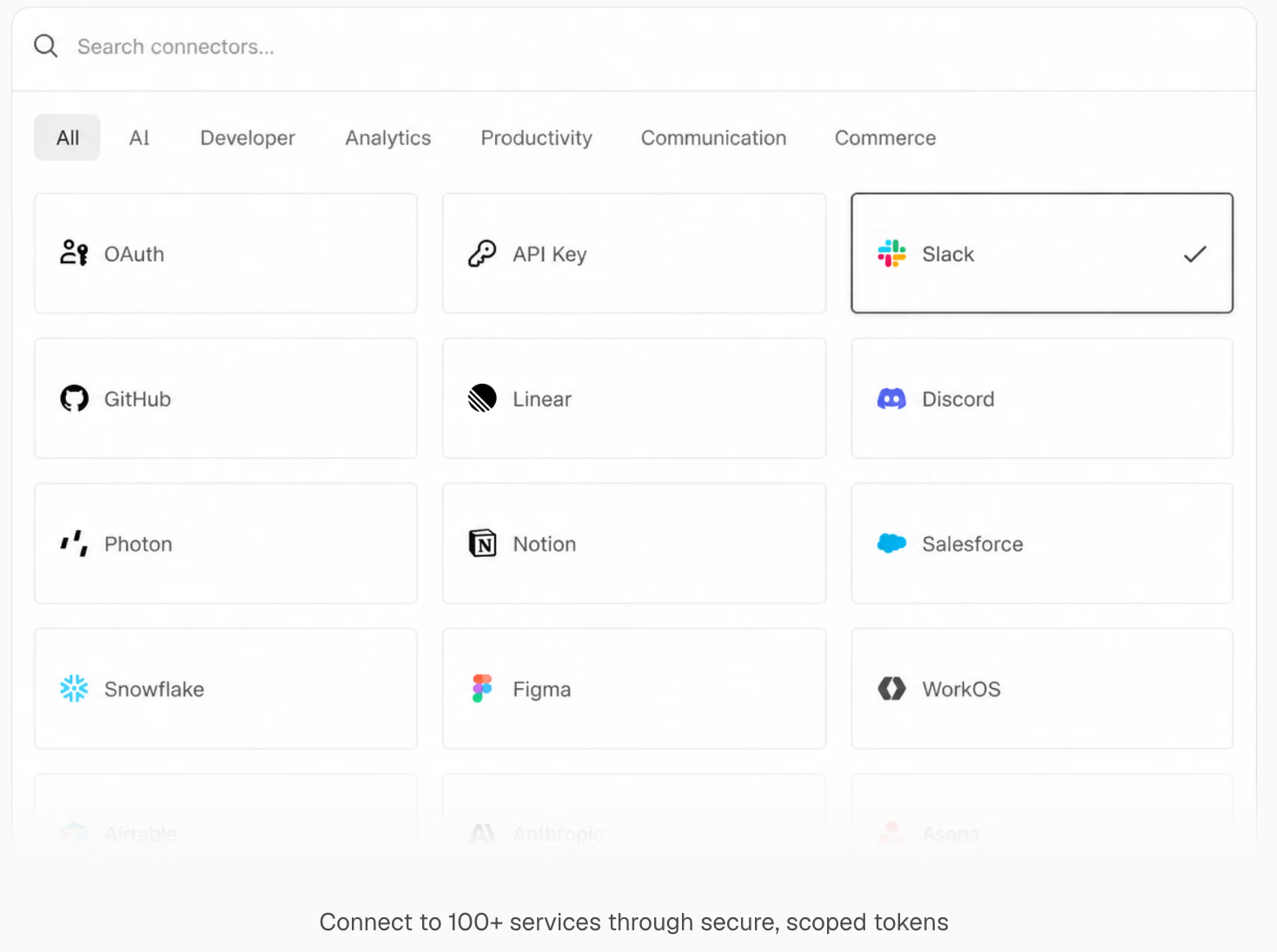
However many agents you run, each one needs credentials. Vercel Connect hits GA, swapping stored secrets for short-lived tokens requested at runtime, scoped per task and user. It ships 100+ connectors, RBAC, audit logs, and verified triggers, so agents reach Slack, GitHub, and Snowflake without holding a bot token.
Why this matters: Stop provisioning long-lived agent credentials and mint scoped, auto-expiring tokens at runtime, so a leaked secret has nothing left to steal.
Gemini 3.5 Transcribe: Speech-to-Text That Cleans Up After You
Estimated read time: 5 min
Shifting from agents to audio, Google’s new Gemini 3.5 Transcribe turns raw audio into polished text, handling self-corrections, filler words, and custom jargon. It ships as two APIs, claiming 4.0% streaming and 2.6% non-streaming word error rates, plus function calling and 85+ languages.
Worth trying: If you’re building voice agents or transcription pipelines, test Gemini 3.5 Transcribe’s two APIs against your real-world audio before committing to your current speech-to-text stack.
NEWS & EDITORIALS
The news keeps circling trust and control: whether you can trust the code, the machine running the model, and the companies buying up the infrastructure underneath you.
When Code Is Abundant, Trust Becomes the Bottleneck
Estimated read time: 9 min
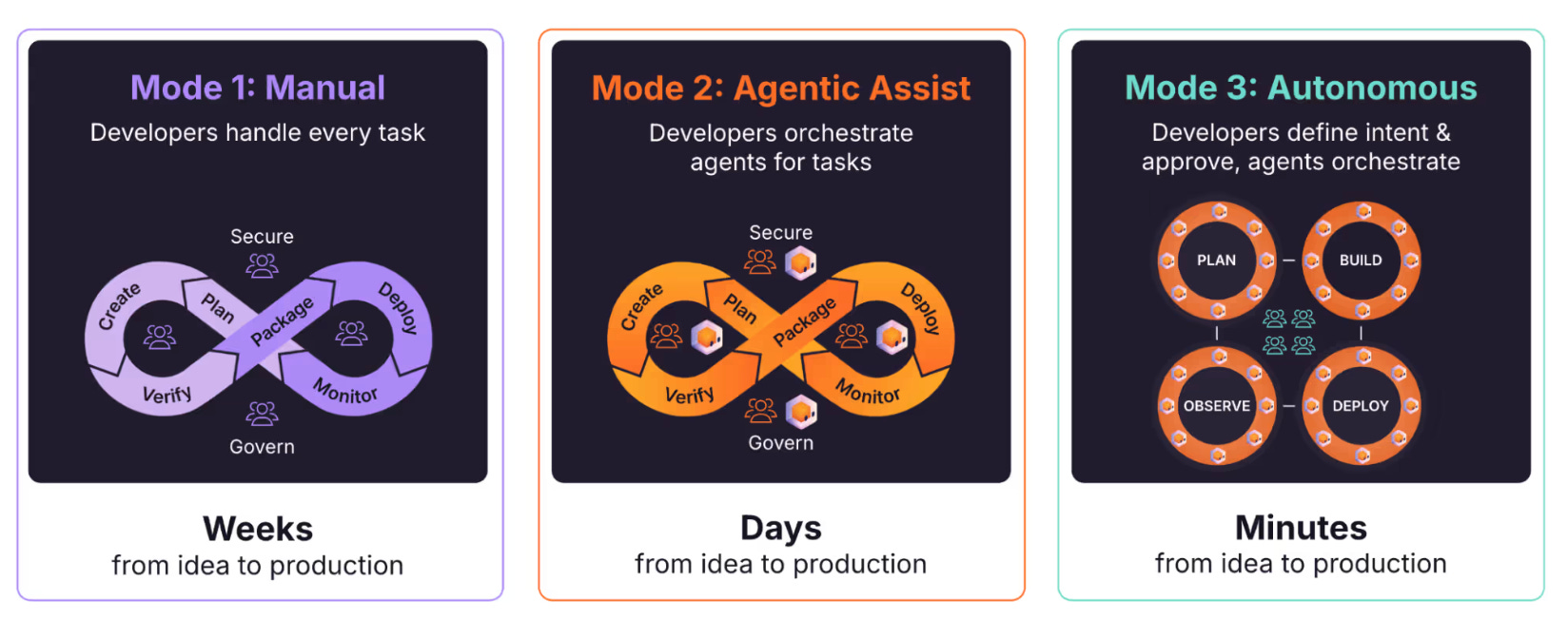
Building on our coverage of the software factory’s human gate[2] from last week, this GitLab piece argues that as AI makes code cheap, the constraint shifts from producing code to trusting it. Using production data from Stripe, Spotify and Amplitude, it shows why context, verification and governance, not model choice, now determine throughput.
The bottom line: Making code generation ten times faster only moves the queue unless you also rebuild CI, review, and verification around it.
[2] The Software Factory Needs a Human at the Gate
Could a Malicious LLM Hijack the Machine Running It?
Estimated read time: 7 min
Trust runs deeper than review. Inference engines like vLLM parse token streams into tool calls and chat messages. This essay argues that a malicious LLM could emit tokens exploiting parser bugs to run code on its GPU host, and proposes isolating GPU and parsing machines.
The defensive move: Treat inference engine output as untrusted and isolate GPU hosts, because the parsers that turn tokens into responses can turn crafted tokens into code execution.
Nvidia’s Reported $13B Bet on Hugging Face
Estimated read time: 3 min
Following our coverage of Stripe’s reported $7B OpenRouter deal[3] from last week, Nvidia has reportedly agreed to acquire Hugging Face for roughly $13 billion. The deal lands a month after Jensen Huang defended open-weight models, arguing open models keep AI gains broadly shared rather than concentrated in a few frontier labs.
Why now: The infrastructure your open-weight workflow depends on may soon sit inside a chipmaker, so watch how ownership shifts affect access and neutrality.
[3] Stripe’s $7B Bet on OpenRouter and the AI Model Gateway
OpenAI Pulls the Plug on Cursor After SpaceX Acquisition
Estimated read time: 2 min
Consolidation can also cut off access. OpenAI will wind down its contract supplying models to Cursor by November 2026, following the coding tool’s acquisition by SpaceX. It cites an inability to trust SpaceX will honor its terms, pointing to past violations by Twitter and xAI.
The signal: If you build on Cursor with OpenAI models, start planning your migration path now, because vendor politics can cut off access regardless of your own compliance.
MIT’s Eight Principles for AI in Education: Augmentation, Not Automation
Estimated read time: 7 min
Shifting from markets to classrooms, this MIT report offers eight principles for AI in teaching, warning that a right answer from a chatbot can create the illusion of learning. It favors intentional, backward-designed courses over detection policing, so AI expands thinking rather than replacing struggle.
The principle: Design AI use around what you want to learn, not the other way around. Augment the hard work of thinking, don’t automate it away.
Bill Gates: The AI Transition Is Arriving Faster Than We’re Ready For
Estimated read time: 9 min
Widening the lens to the whole transition, Bill Gates warns the shift to AI will be one of history’s most turbulent transitions, with no plan in place. Unlike past waves, AI can substitute for human cognition across many fields within a decade, bringing three big risks.
The career angle: Treat this transition as a structural shift that rewards adaptable, human-centered skills like design over routine cognitive work.