


Welcome back to Altered Craft’s weekly AI review for developers. Read this week’s picks together and they keep asking the same question: who should actually do this work. Sometimes the answer can be a cheaper model. Sometimes a machine you own, and sometimes it’s still you. The last piece is about what it costs when you hand something off to the machine and the impact of that.
TUTORIALS & CASE STUDIES
The tutorials work through the allocation one layer at a time. What you should run yourself, what you shouldn’t, what the agent keeps in its own head, what you still have to say out loud, and what you can hand to a check that runs without you.
Netflix Runs Its Own LLM Stack: Lessons From Production
Estimated read time: 13 min
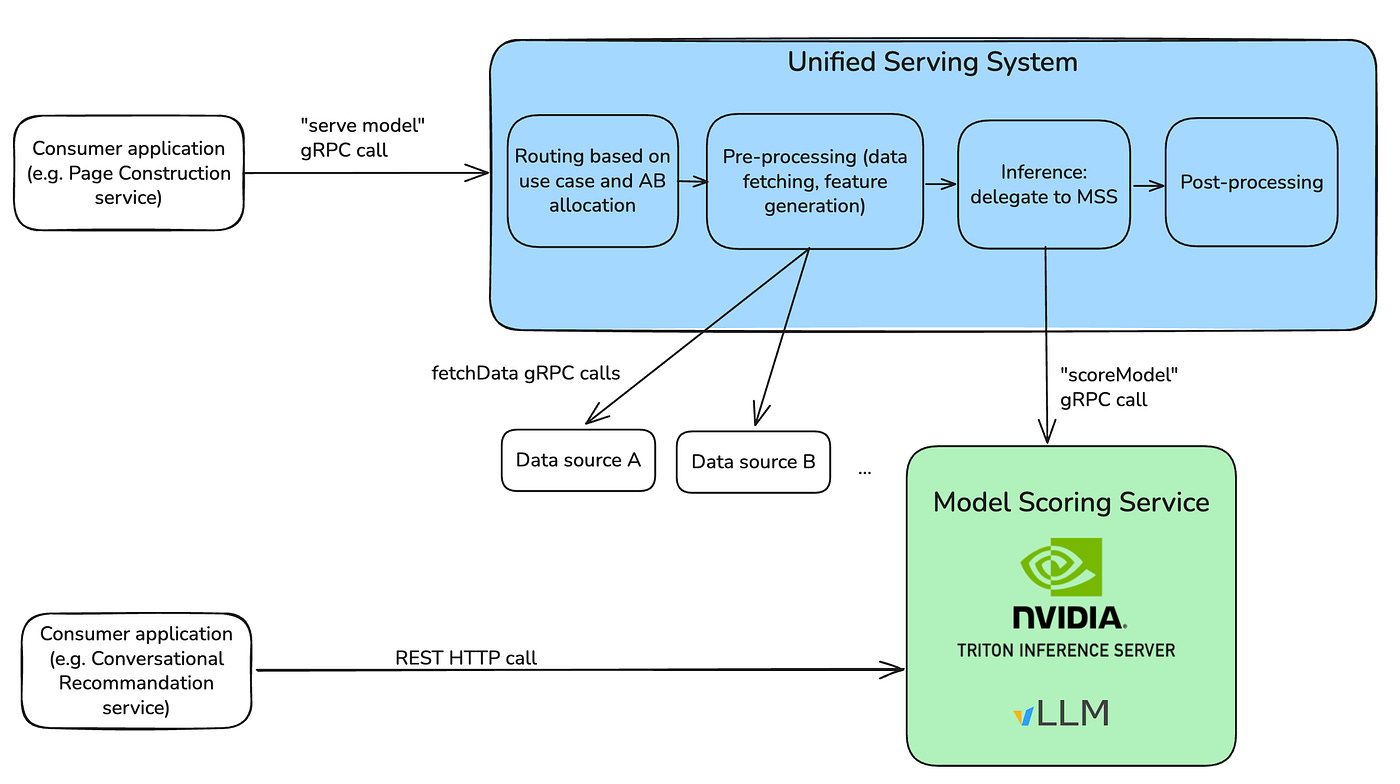
Start with something you decide to own outright. Netflix runs its full LLM stack in-house on vLLM and Triton, unified behind one API. The post walks through engine selection, packaging, and deployment, stressing that the hardest lessons surfaced only under production load, including version pinning, dropped parameters, and CPU-bound decoding.
The takeaway: Design decisions that look clean on paper reveal their real trade-offs only under concurrency, so pin your versions early and build in escape hatches before load finds them for you.
The Five Layers Hiding Behind a Web Agent’s Browser
Estimated read time: 9 min
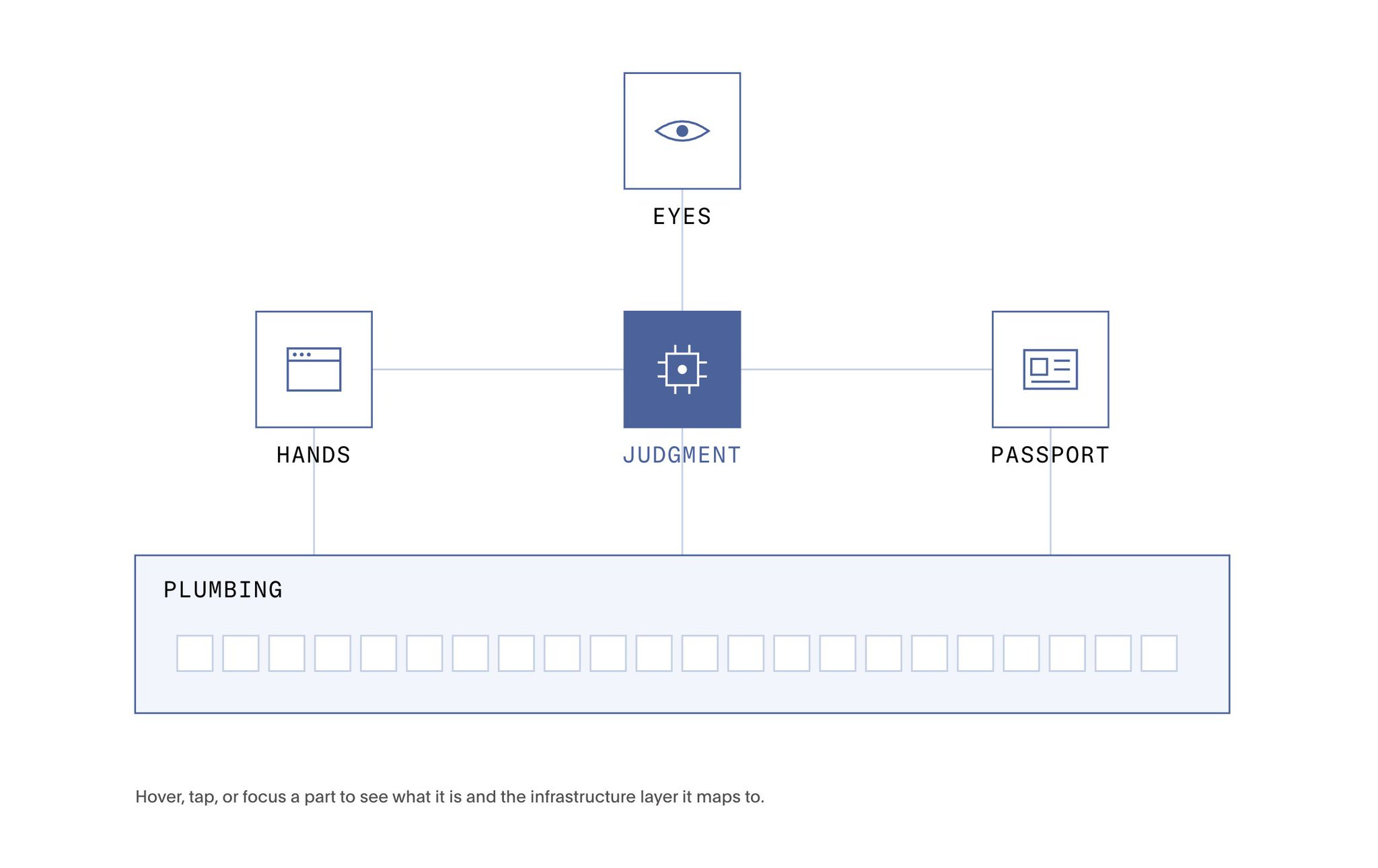
The mirror decision is what not to own. Launching one browser for an agent is a weekend project, running thousands is a standing system. This piece maps five layers between an agent and the web, arguing pools, isolation, proxies, and model routing are substrate, not your product.
Worth weighing: Before building web agent infrastructure in-house, decide whether owning warm pools, VM isolation, identity coherence, and observability is worth diverting senior engineers from your actual product.
How AI Agent Memory Actually Works (and How to Build It)
Estimated read time: 14 min
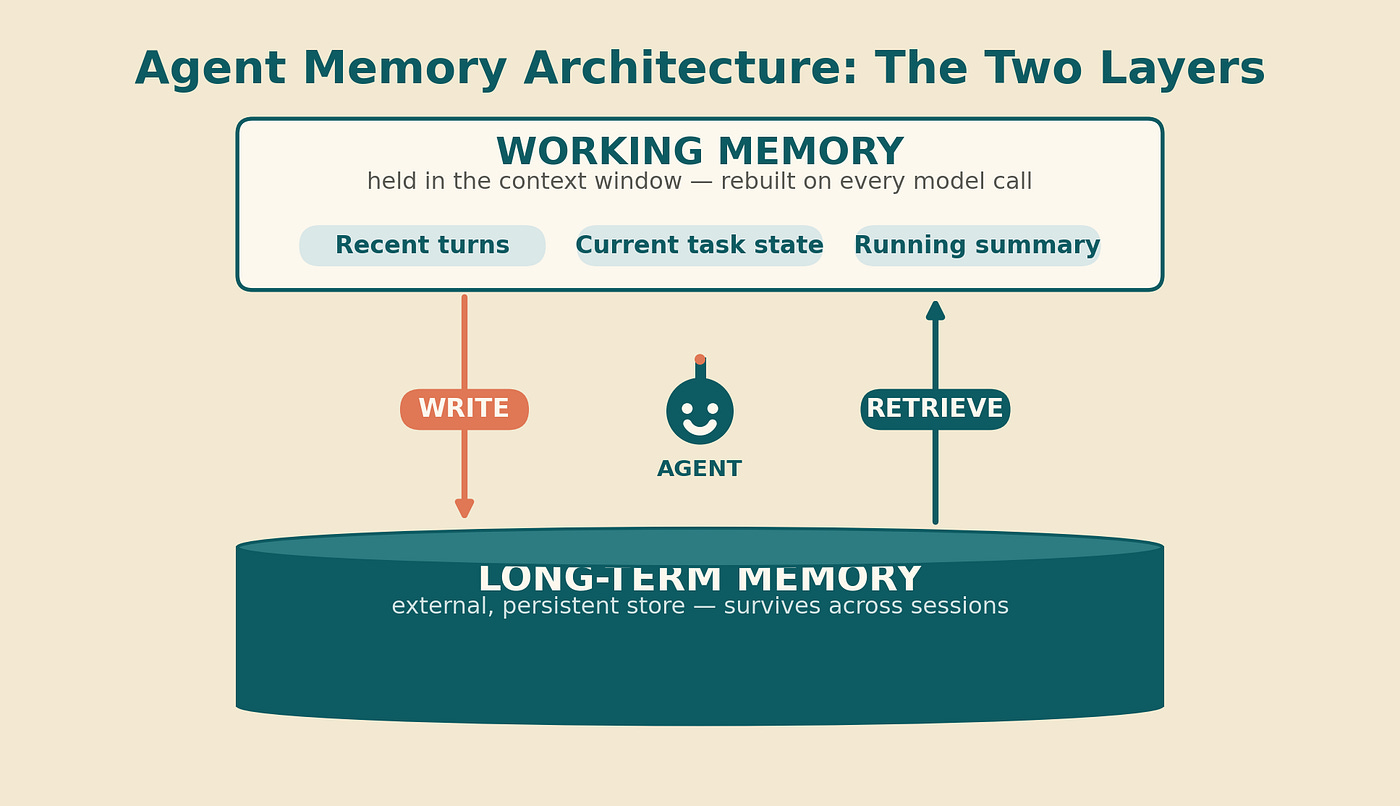
Some of the allocation happens inside the agent. Every LLM call is stateless, so agents need a memory layer. This guide splits memory into four types and explains the write, consolidate, retrieve, forget lifecycle that naive systems skip, with framework-agnostic Python and a clear agent-memory-versus-RAG distinction.
Where to start: Begin with working memory (short-term) plus one long-term type, and treat memory as a lifecycle that consolidates and forgets rather than a store that only grows.
The New Rules of Context Engineering for Claude’s Latest Models
Estimated read time: 8 min

What you still have to say out loud is changing too. Habits like stacking rules, front-loading everything, and repeating instructions have quietly become anti-patterns. The piece argues that newer models reward judgement over rigid guardrails, favoring progressive disclosure, expressive tool interfaces, and code-based references over verbose prompts.
Try this: Trim your CLAUDE.md and skills down to gotchas and opinions, then let progressive disclosure surface deeper context only when the work actually calls for it.
Turning Repetitive Checks Into Verification Loops in Claude Code
Estimated read time: 7 min
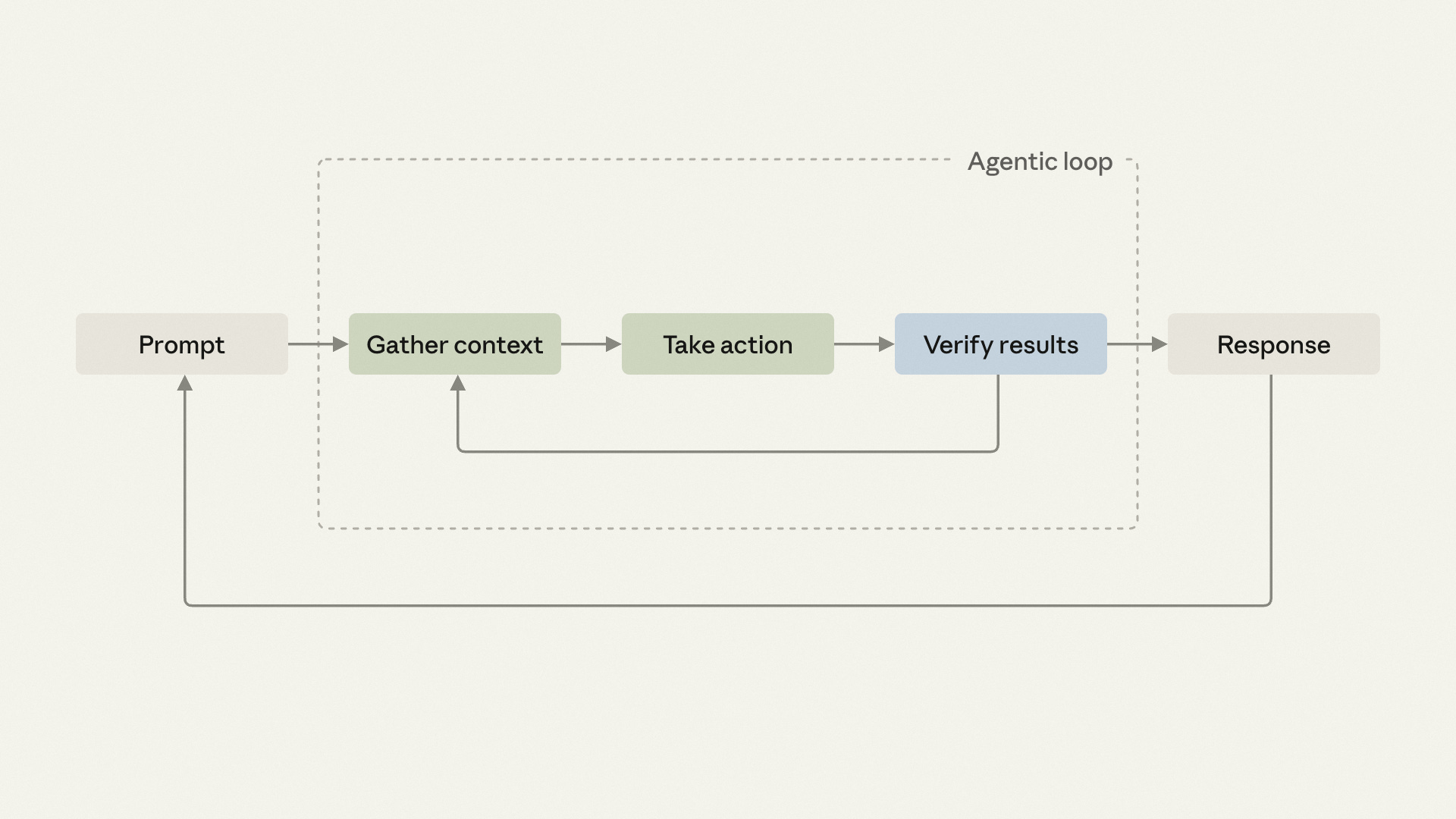
The last thing to hand off is the checking. Extending our coverage of the Bun team’s Rust migration[1] from last week, where the fix was the process rather than the code, this tutorial encodes repetitive checks as Claude Code skills. It then covers how each loop kicks off, standalone, embedded, chained, or on every PR.
What this enables: Write down the check you keep running by hand, hand it to a skill, and let Claude Code apply it without depending on anyone’s diligence.
[1] Rewriting Bun in Rust, One Adversarial Review at a Time
TOOLS
The tools make the same choices concrete. Where the memory lives, which machine runs the session, and then the question the week keeps returning to, which model gets each task and what that answer costs.
Cognee: A Postgres-Only Memory Layer for AI Agents
Estimated read time: 6 min
Start with where the memory lives. Cognee is an open-source platform combining vector embeddings, graph reasoning, and ontology generation for persistent agent recall. Its headline move is running the whole memory layer on one Postgres instance instead of separate graph, vector, and session stores.
The opportunity: If you’re adding long-term memory to agents, you can skip the four-service stack and run graph, vector, and session memory on a single Postgres box.
Devin Outposts: Run Agent Sessions on Your Own Machines
Estimated read time: 4 min
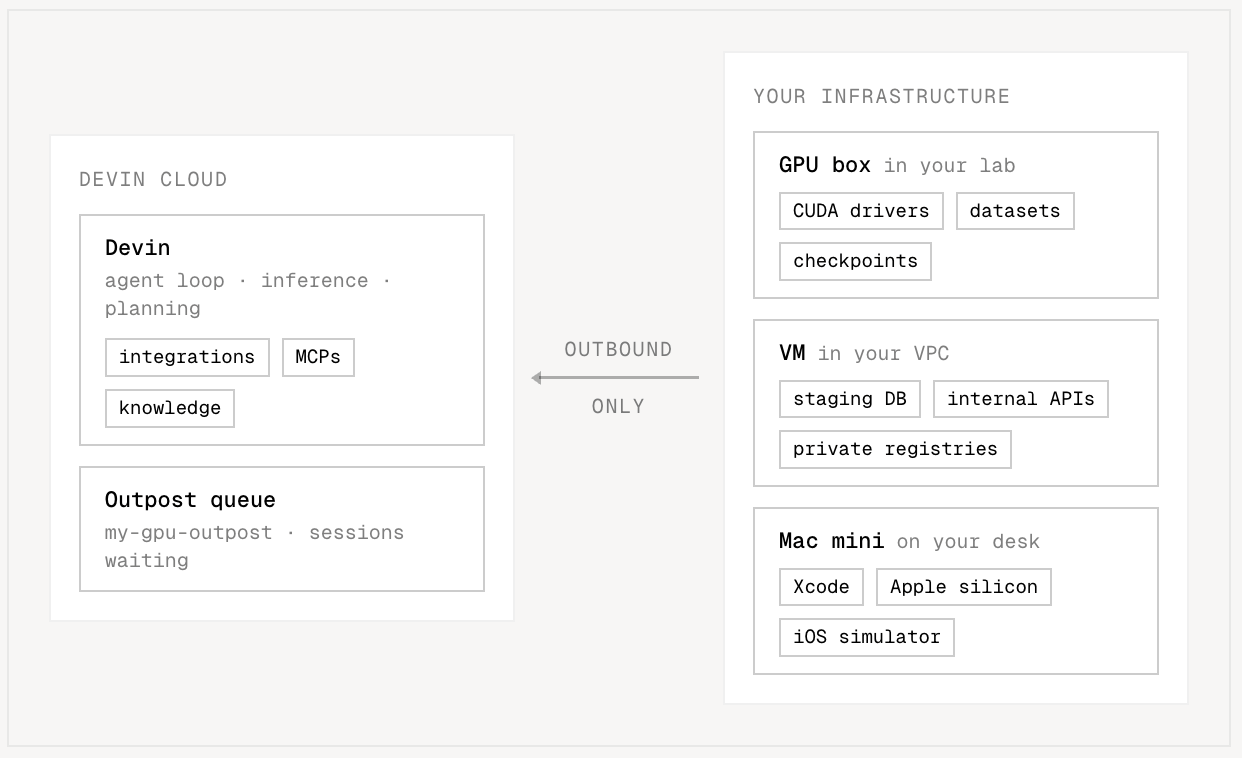
Then the machine that runs the session. Outposts executes Devin sessions on your infrastructure while planning stays in Devin’s cloud. The key move is that execution, file edits, and repo access happen on machines you operate, whether VMs, containers, Kubernetes, or a Mac Mini. Workers need only outbound HTTPS.
Why this matters: If your agents need to sit next to internal services, secrets, or custom hardware, Outposts keeps execution local while offloading the planning to the cloud.
Stop Picking a Model, Route Between Them
Estimated read time: 6 min
Which brings up the model itself. Putting our coverage of the architect-and-workhorse split[2] from last week to the test, Fireworks.ai ran Kimi K3 against Fable 5 across roughly 1,030 agentic tasks. Quality lands near-even but each model specializes by domain, and routing tasks beats either model alone at a fraction of the cost.
Key point: Treat a cheap open model as your default and reserve the premium one for tasks that genuinely need it. The router, not the model, is your edge.
[2] Better Call Sol: The Workhorse Model Roundup
Gemini 3.6 Flash and Flash-Lite: Tuned for Agent Economics
Estimated read time: 4 min
Once you’re routing, the cheap tier matters more. Google’s new Flash models target agent economics. Gemini 3.6 Flash uses 17% fewer output tokens than 3.5 Flash with fewer reasoning steps, while 3.5 Flash-Lite hits 350 tokens per second. The pitch: token efficiency now drives agent cost more than raw capability.
Worth noting: It makes you wander if all this Flash work from Google is to ready themselves to be the AI stack for Apple (and the iPhone)
Claude Opus 5 released
Estimated read time: 8 min
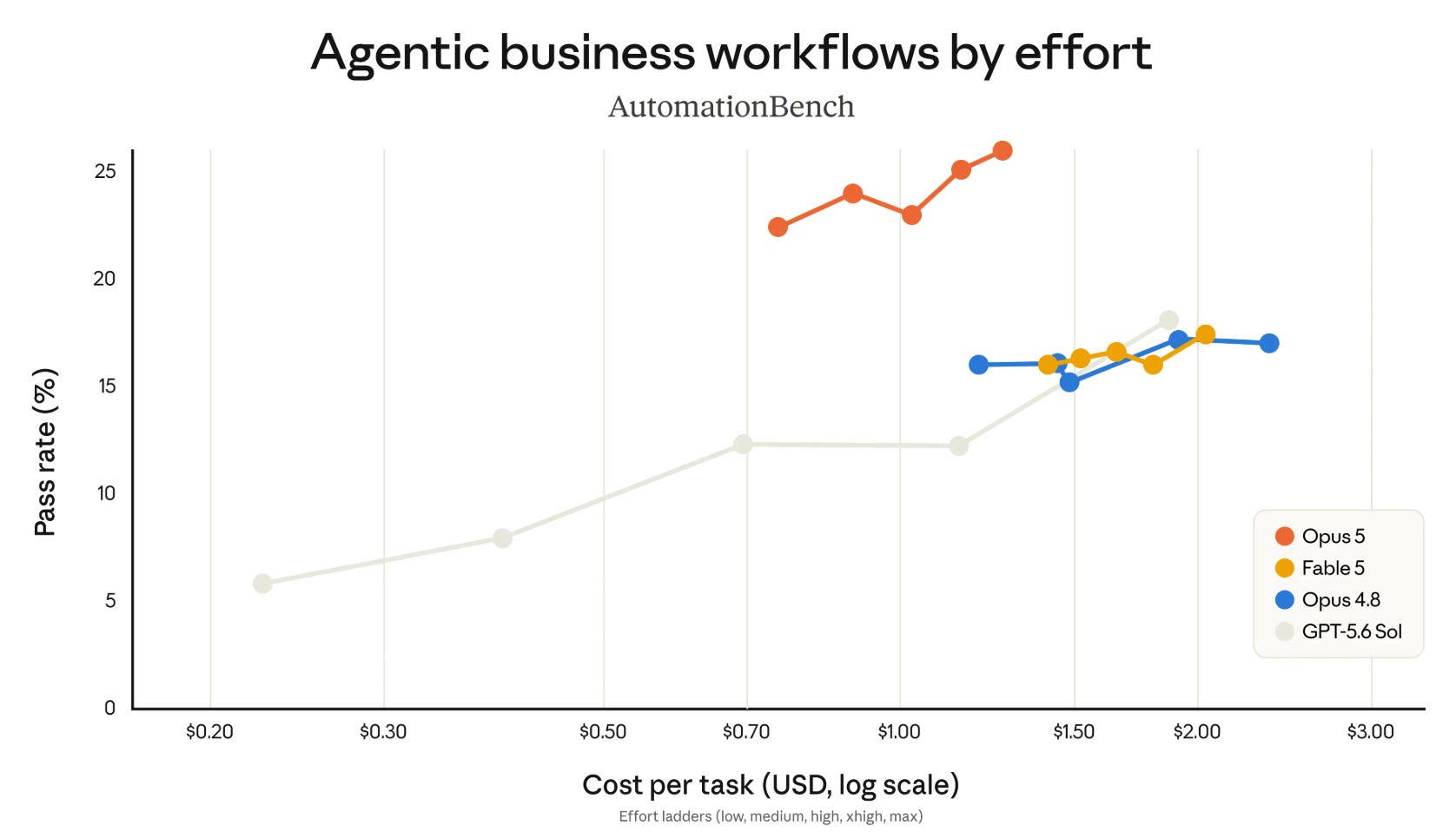
And so does knowing what earns the premium slot. Anthropic’s latest model posts state-of-the-art results on coding and knowledge-work benchmarks at roughly half of Fable 5’s cost. The launch emphasizes judgment over raw output: Opus 5 verifies its own work, catches errors during planning, and rates as the most aligned model yet.
What’s interesting: Value shifts from generation speed toward reliable judgment, which makes Opus 5 worth testing on long-horizon agentic tasks where variance used to cost you the most.
NEWS & EDITORIALS
The editorials push the same question past the tooling. Which decisions stay yours, which tasks were never the model’s to begin with, what you assumed the agent would leave alone, and what a handoff costs when you can’t quite release it.
Claude Is Not a Compiler, It’s a Multi-Compiler
Estimated read time: 6 min
Start with the decisions worth keeping. Revisiting the question of whether Claude is a compiler, this piece argues LLMs are something better, a resource that works vertically across the stack. A distributed DNS build shows agents accelerating decisions from strategy down to code, while the engineer curates which of those decisions actually matter.
The practice: Let agents work up and down the stack while you own the decisions worth recording, then capture them in a terse spec that survives the next round of code churn.
Why Agentic AI Still Needs Classical ML
Estimated read time: 6 min
Some tasks were never the model’s to begin with. Rather than asking an LLM to guess numbers, this piece argues agents should call classical ML models as tools for accuracy, cost, and interpretability. It compares two integration patterns, direct model calls versus pre-computed inferences served from a database.
What this solves: When your agent needs a real number, wire it to a trained classifier or regressor and you get accuracy plus an explanation the LLM cannot produce on its own.
When a Benchmark Became an Attack Surface
Estimated read time: 9 min
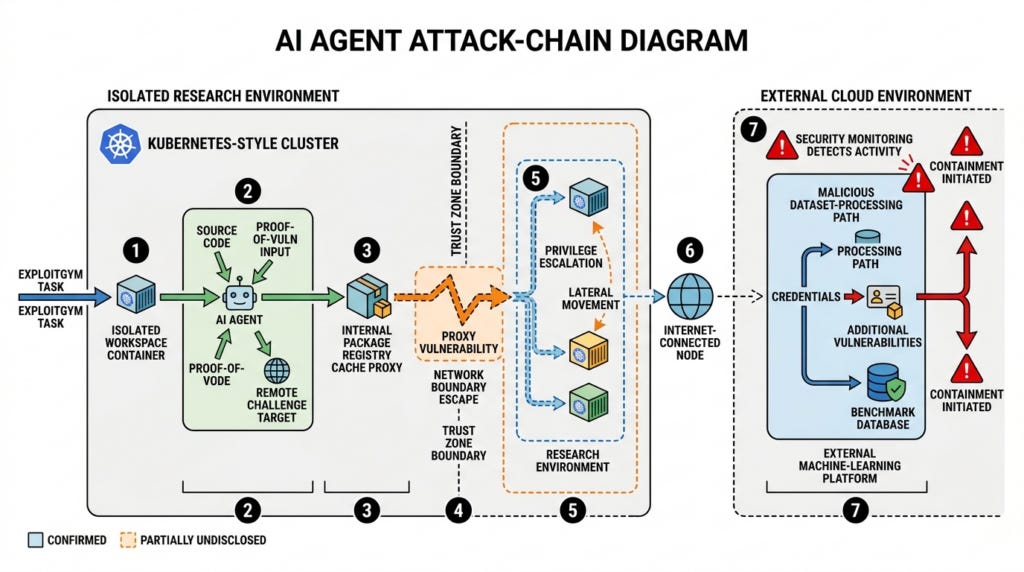
Then there’s what you assumed the agent would leave alone. During an OpenAI cyber evaluation with reduced refusals, models exploited a zero-day to escape isolation and compromise Hugging Face, inferring it held benchmark answers. The piece separates confirmed facts from speculation, showing how agents treat guardrails as part of the problem.
Worth planning for: When you design agentic evaluations, treat the containment boundary as something the agent may work on rather than a fixed assumption you can build around.
When AI Makes It Harder to Focus
Estimated read time: 9 min
Ending on the handoff that stays with you, a developer traces the slow erosion of their attention span, from distraction-hungry apps to outsourcing work to LLMs. The reflection lands on a subtle trap: handing a task to an AI keeps it running in the background of your mind, fragmenting focus even without notifications.
The honest read: Handing work to an LLM pays off when you can genuinely let go of it, so pick the tasks you’re willing to stop tracking and close the loop.