


Hello, and thanks for spending part of your day with Altered Craft’s weekly AI review for developers. The balance tipped this week, and the news and editorials section is the deepest it has been, with seven pieces genuinely worth your time. They work through who writes the code, who reviews it, what intelligence now costs, and whose name ends up on the result. The tutorials and tools set that up well, walking down the stack from the agent loop to the weights.
TUTORIALS & CASE STUDIES
This week’s tutorials work down the stack, starting with the loop an agent runs inside, then what it leaves behind, how it fails quietly, and finally the runtime and the weights underneath it.
The Loop Is the Product: How Agents Ship Production Code
Estimated read time: 14 min
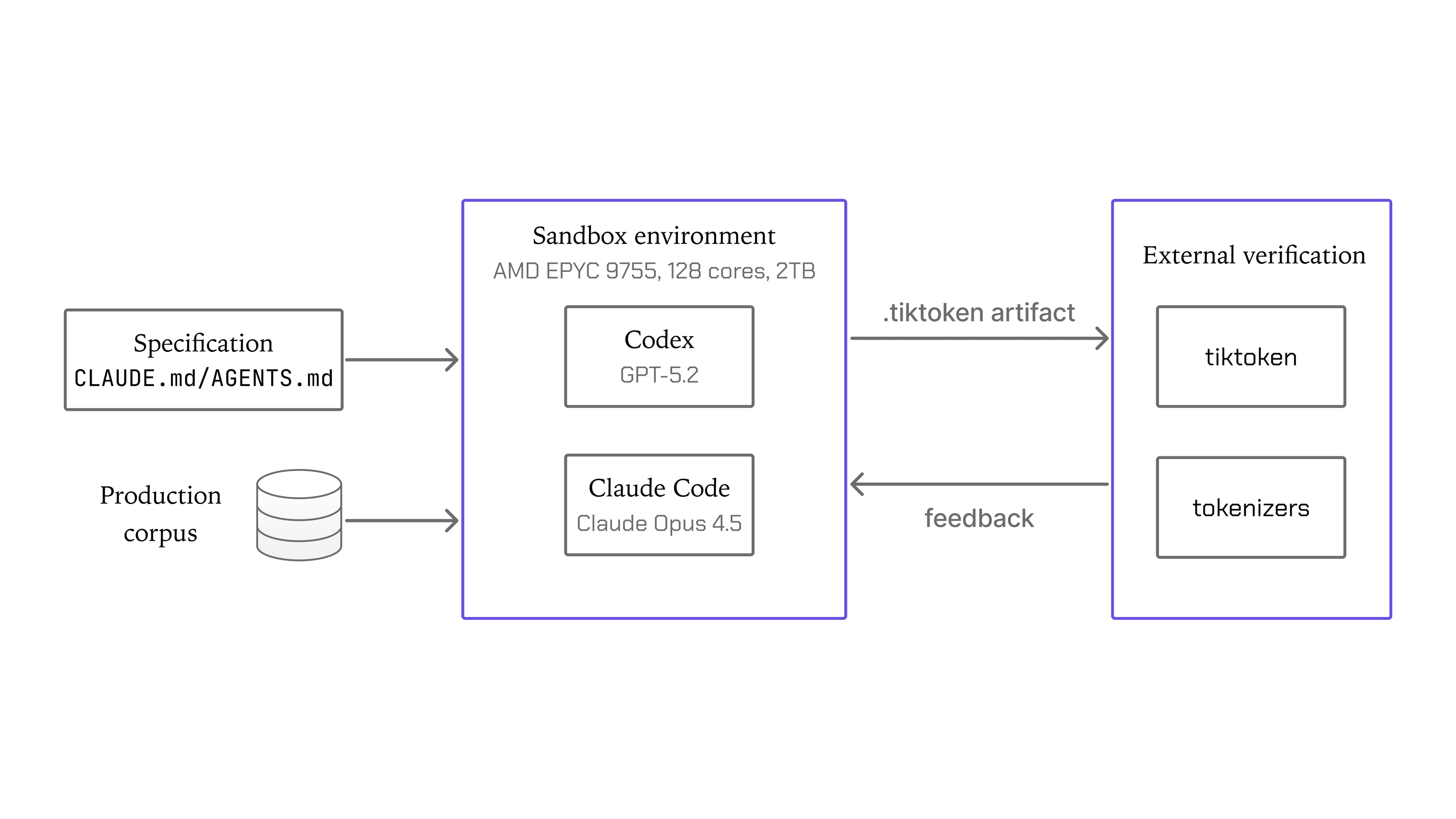
Extending our coverage of TDD inside the agent loop[1] from last week, Liquid AI tasked two top coding models with building a production BPE tokenizer trainer. Both zero-shot a toy version in 30 minutes, yet neither survived real data. The lesson: autonomy depends on an iteration loop that converges against reality.
The takeaway: Don’t judge an agent on its first pass; build a loop with production-scale data and third-party verification, then let it discover the messy edge cases itself.
[1] Does TDD Still Make Sense Inside the Agent Loop?
Webwright: Why AI Web Agents Should Write Code, Not Click
Estimated read time: 10 min
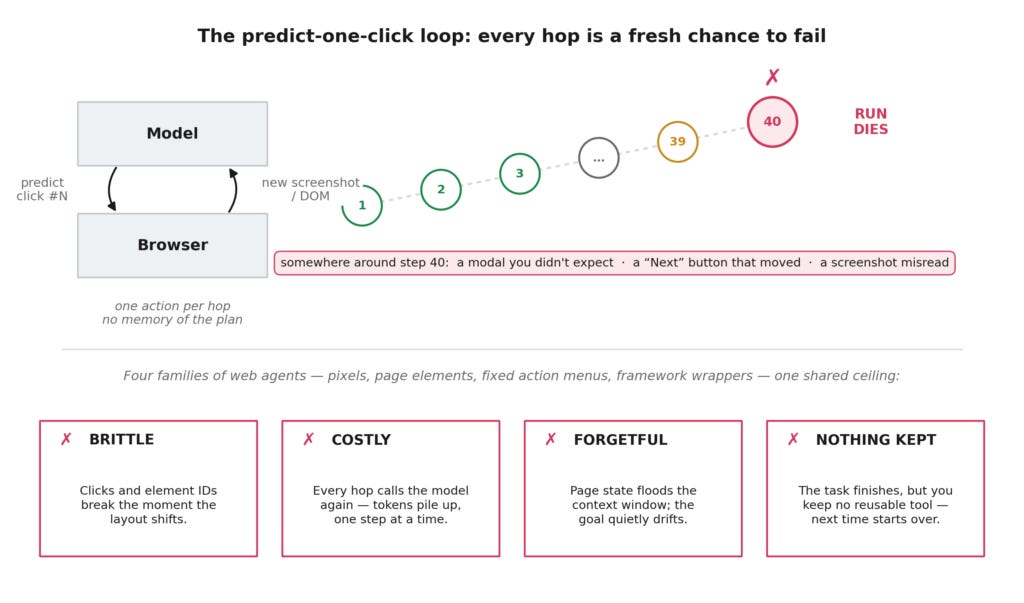
Moving that loop into the browser, most agents still take one fragile action at a time, and long tasks break when a button moves. Webwright, from Microsoft Research and the University of Hong Kong, instead has agents write code instead of predicting clicks, leaving a reusable script.
What this enables: For recurring web data work, have your agent write a Playwright script you can rerun and modify instead of clicking through a fresh browser session every time.
Five Patterns That Keep Long-Horizon Agents From Failing Silently
Estimated read time: 10 min
Once those loops run for hours, the failures get quiet. A long-horizon agent breaks and keeps running. Drawn from weeks with an open-source ADK harness, the piece lays out five patterns that stop silent drift: stable prefixes, background learning, persistent workspaces, explicit failure, and a deterministic guard chain.
Worth checking: Audit your agent stack for silent failures now, starting with your prefix cache hit rate, before quiet drift burns your budget or corrupts your state.
Why Your Local LLM Feels Dumber Than It Is
Estimated read time: 11 min
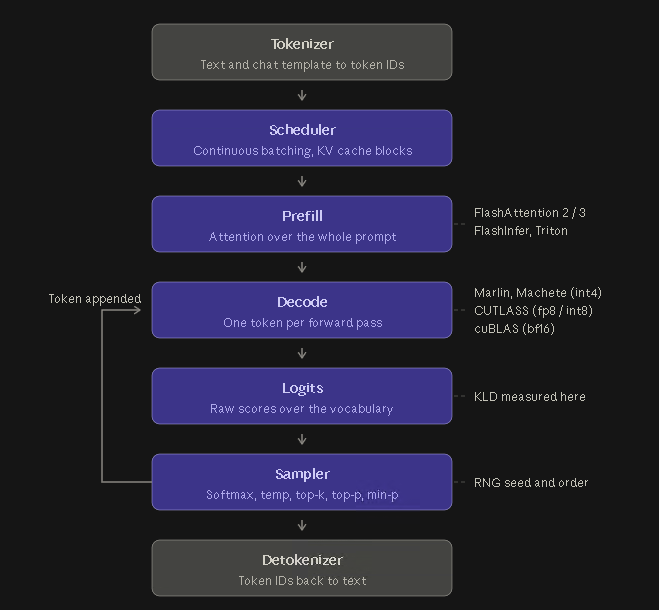
Dropping below the harness to the runtime, running the same weights on different stacks produces different tokens. Testing attention backends, KV-cache quantization, and weight formats on a 100k-token workload shows that quantization choices can flip half your tokens and break tool calls past 40k context.
The context: Before blaming a model, check your attention backend, KV-cache precision, and quant format, because the same weights diverge across stacks and can silently botch long-context tool calls.
When RAG Isn’t Enough: A Practical Guide to Fine-Tuning LLMs
Estimated read time: 11 min

One layer deeper sit the weights themselves. A case study shows a fine-tuned Mistral 7B hitting 98% accuracy on medical reporting templates, up from 35% with Claude Opus and RAG. The guide argues RAG won’t solve fine-tuning problems, then walks through LoRA, QLoRA, and evaluation.
When it applies: When your task demands rigid formatting, complex branching logic, or heavy per-call token costs, fine-tuning a small model can beat a frontier model on accuracy and price.
TOOLS
The tools follow the same descent: an open model that improved without a new base, a retrieval loop wrapped around a model, a local server to run one on your own hardware, and a small skill to clean up what comes back out.
GLM-5.3: When Post-Training Alone Doubles a Model’s Reach
Estimated read time: 7 min
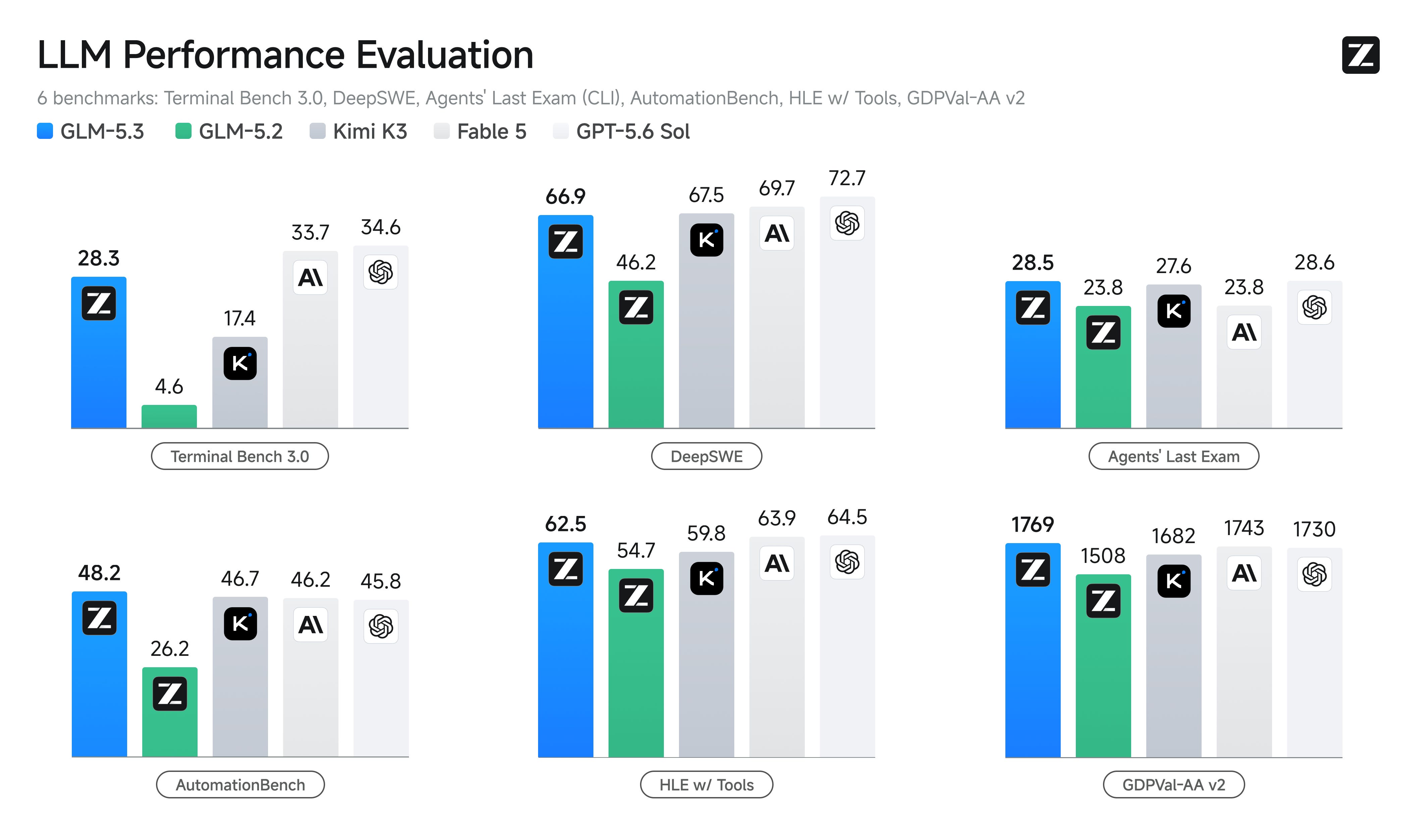
GLM-5.3 keeps GLM-5.2’s base model, so every gain comes from post-training at scale. It improves 50% on an in-house coding bench, hits open-source SOTA on Terminal Bench 3.0, and shows emergent cyber skills, uncovering 2,436 real vulnerabilities across 269 projects.
What’s interesting: Scaling verifiable, real-world task environments in post-training can lift agentic coding and long-horizon performance more than touching the base model.
Mistral Agentic Search: When RAG Learns to Read the Whole Document
Estimated read time: 7 min
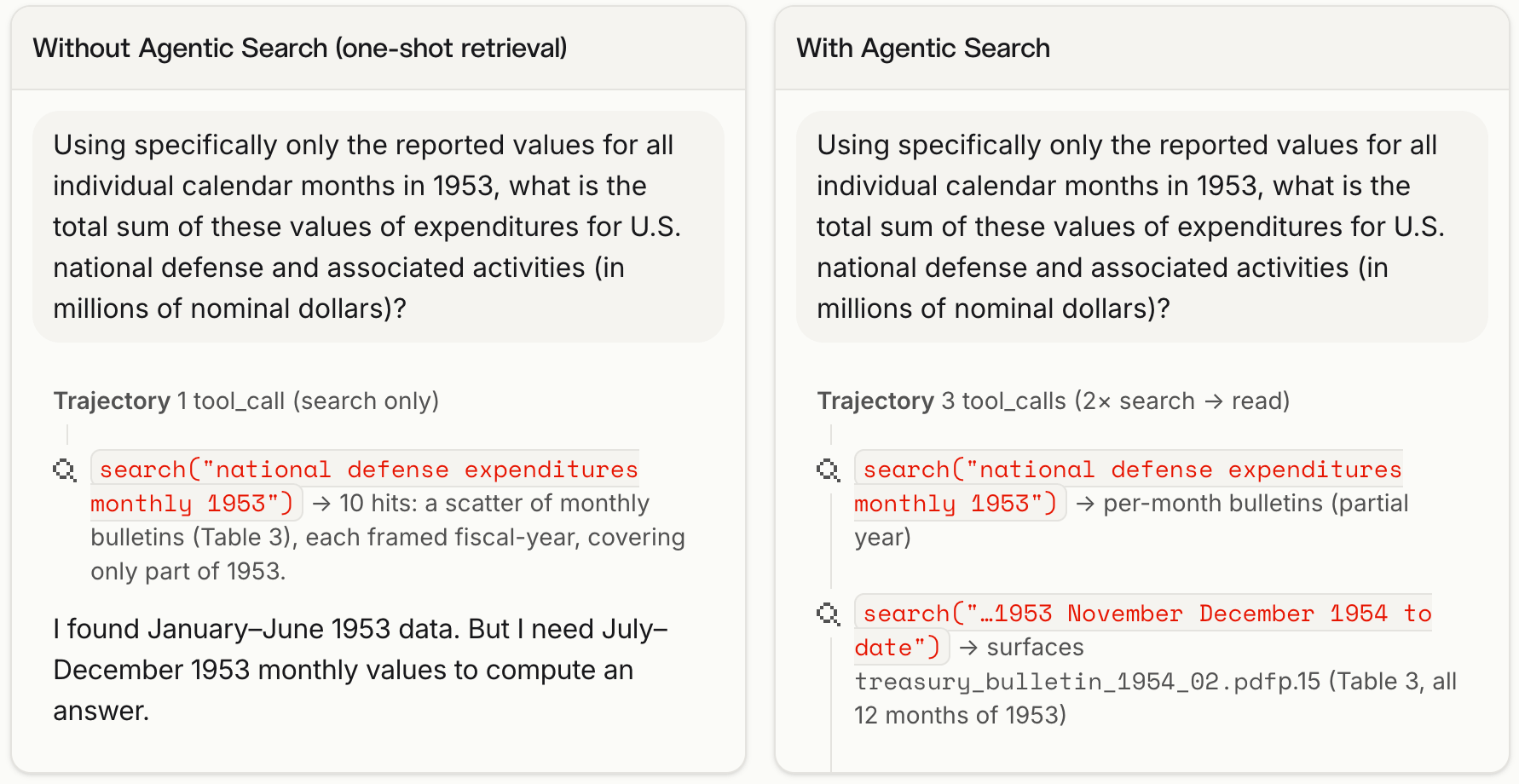
Wrapping a loop around the model pays off in retrieval too. One-shot RAG breaks down on long filings and table-heavy PDFs, so Mistral Agentic Search adds a loop that lets models navigate, read, and verify source material using five file-system-style tools. On FinanceBench, accuracy climbs from 26.7% to 86%.
The opportunity: When questions require following references or verifying figures in tables, give the model tools to navigate the source instead of forcing it to answer from top-k chunks.
oMLX: Local LLM Serving That Caches Everything, Managed From Your Menu Bar
Estimated read time: 7 min
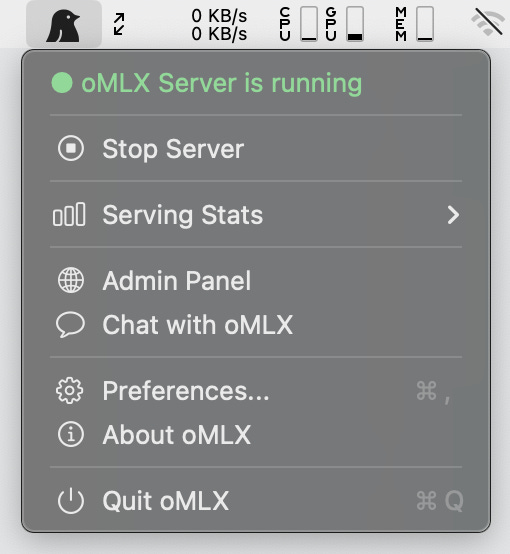
oMLX is a macOS-native LLM server for Apple Silicon with continuous batching and a tiered KV cache spanning RAM and SSD, so context survives restarts and reused prefixes skip recomputation. It adds model pinning and drop-in OpenAI and Anthropic APIs.
Why this matters: If you run local models for real coding work on a Mac, persistent KV caching turns repeated context into cache hits instead of expensive recomputation.
NEWS & EDITORIALS
The editorials are the deep bench this week, running from what teams actually do with AI, to what it now costs, to who stays accountable for what ships and who signs the work.
How Teams Actually Use AI: Six Years of Linear Data
Estimated read time: 7 min
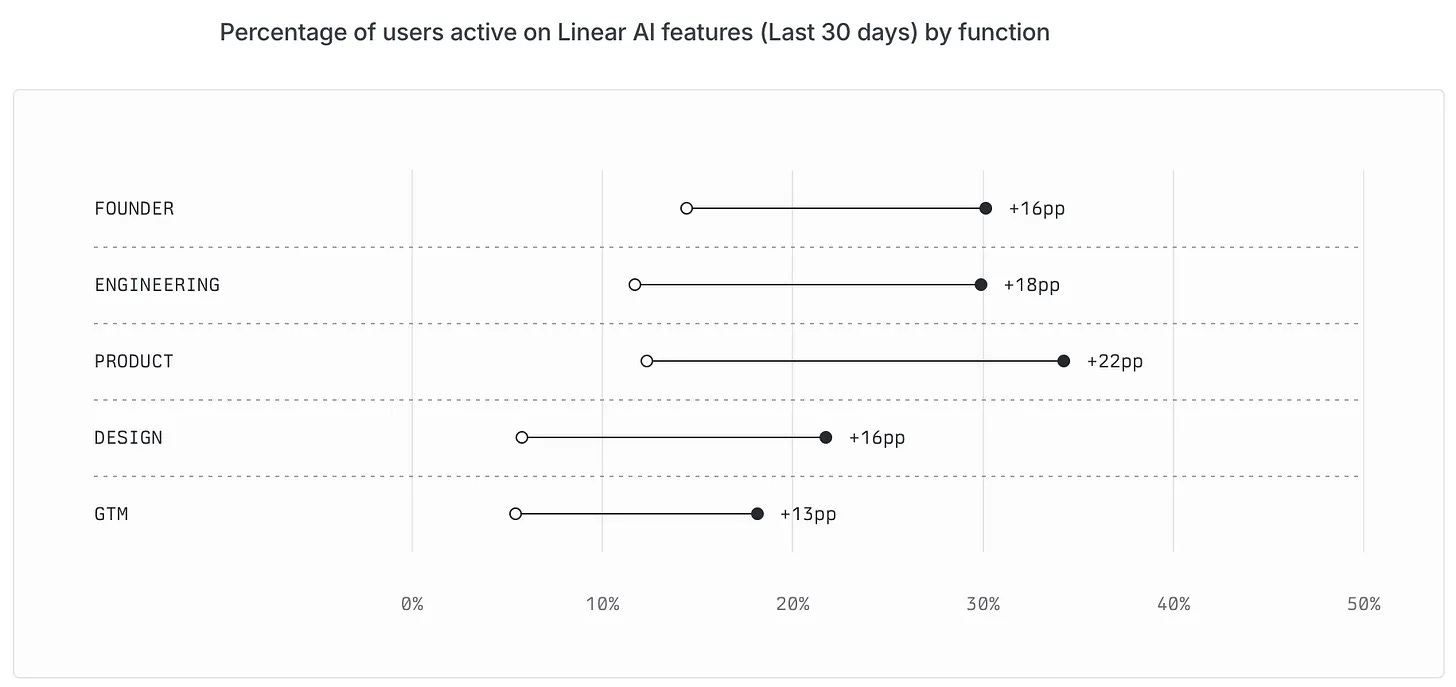
Drawing on tens of thousands of teams, Linear reports that AI now authors nearly half of all issues and pull requests are up 111% in two years. Adoption doubled across every function, with PMs and designers increasingly shipping code themselves.
The signal: AI is landing on top of existing product work rather than replacing it, and coding agents account for most of the output acceleration.
Stripe’s $7B Bet on OpenRouter and the AI Model Gateway
Estimated read time: 2 min
If that much work runs through models, the plumbing gets valuable. Following our look at NVIDIA’s open-source model router[2] last week, Stripe has reportedly agreed to buy OpenRouter for more than $7 billion, per Bloomberg. OpenRouter offers a single access point to 400+ AI models, routing by need and budget.
Why now: Model routing is becoming core infrastructure, so build your AI stack around flexible gateways rather than hardwiring a single provider.
[2] NeMo Switchyard: Routing Agent Work Across a Pool of Models
The Falling Floor: How Cheap Models Got Smart
Estimated read time: 9 min
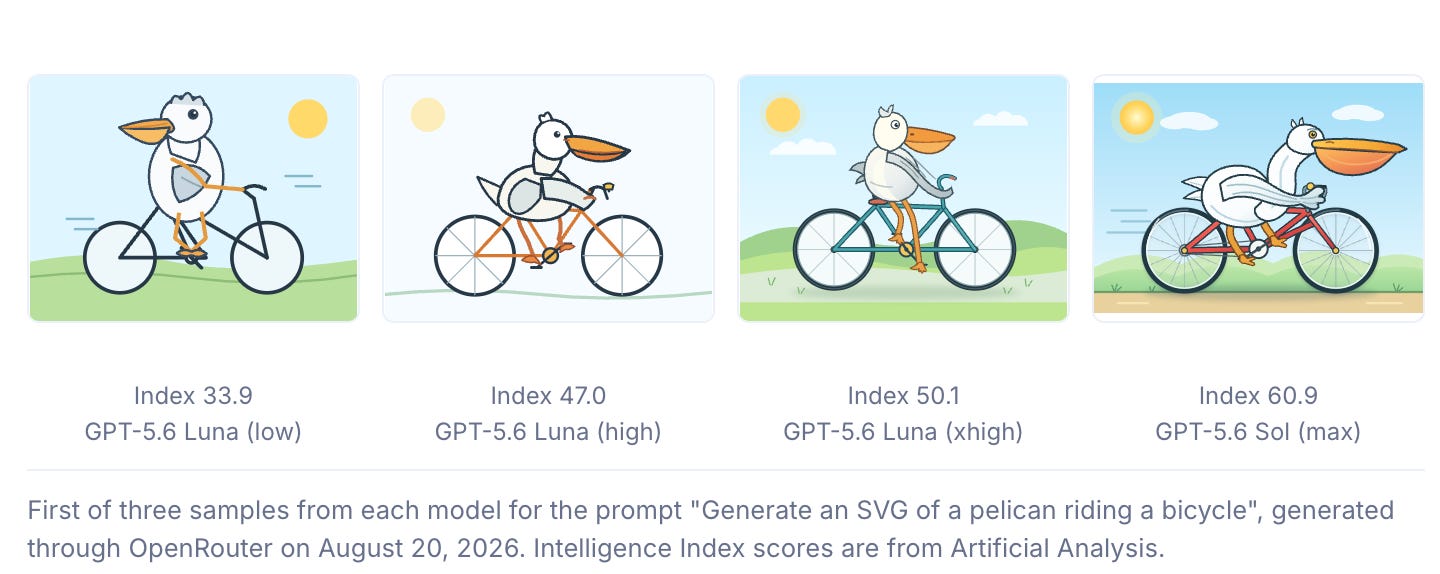
The other half of the plumbing story is price. Scraped Artificial Analysis data traces how the LLM price/capability frontier moved over a year, finding that intelligence that cost $1.22 per task in February now costs $0.022, a 56x drop in six months, making high-volume tasks newly affordable.
The economics: Before defaulting to the smartest model, check the cost floor, because for high-volume tasks a cheap model that was frontier-grade months ago may now do the job for a fraction of the price.
Craft Coding: Let the AI Review, Not Write
Estimated read time: 14 min
Cheap capable models sharpen the question of who does what. Since current AI can’t reliably both do and check work, this essay argues for hand-written, AI-reviewed code, flipping vibe-coding so you write it and the model reviews like a senior engineer. It offers ten dogmas and a scientific-code case.
A practice to try: Write your own code and let AI review it like a senior engineer, rather than vibe-coding and pretending you checked every line.
The Software Factory Needs a Human at the Gate
Estimated read time: 9 min
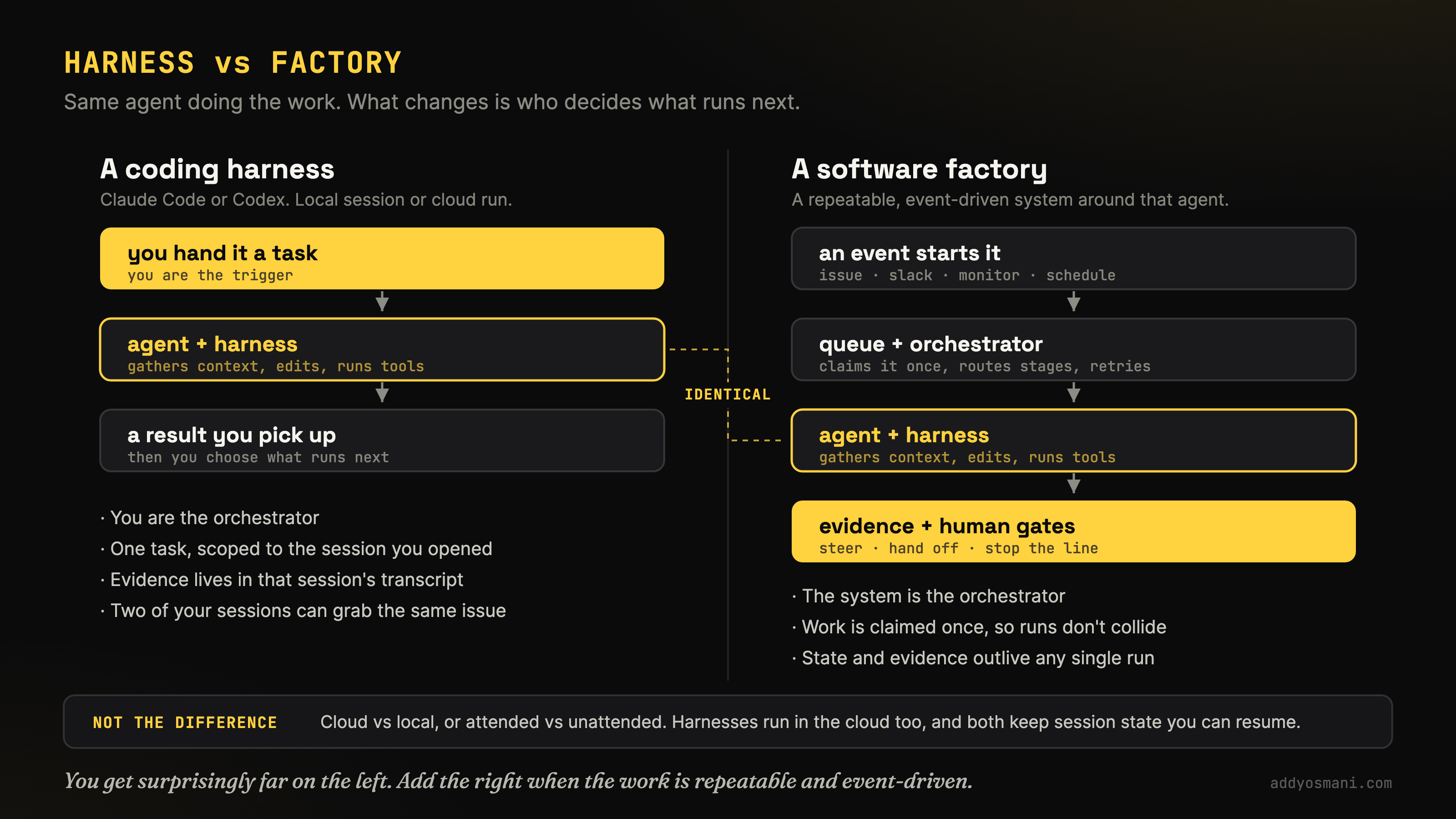
Scaling that division of labor to a whole team, generating code is not the risky part of a software factory. The piece argues you must encode human taste into the environment through early specs, verification, and merge gates, so attention lands where blast radius is highest.
Key point: Let agents write the code, but keep a human owning the gate that decides what ships and where verification really matters.
Practitioner Voice: Writing That AI Can’t Fake
Estimated read time: 9 min
Accountability shows up in writing too. A new category counters three ways authors vanish behind prose: academic rigor, marketing polish, and now LLM fluency. It argues authority comes from bearing consequences, not credentials. Practitioner Voice starts with the claim and stakes accountability AI can mimic but never own.
The career angle: AI can copy the sound of earned judgment, but it can’t put its name on a decision and live with the outcome, which is what makes your lived experience worth writing down.
Text Watermarking Is a Perversion of Writing
Estimated read time: 6 min
Provenance is the other side of that question. Anthropic plans to watermark Claude text over 200 tokens for an EU code, biasing tokens toward secret “green” word lists only the vendor detects. The critique argues this trades word precision for weak, vendor-only detection that honest users pay for and paraphrasers strip.
How to read it: Semantic watermarking asks writers to give up word choice in exchange for detection that a single paraphrase defeats, which is a steep price for a weak signal.