


Welcome to this week’s edition of Altered Craft’s weekly AI review for developers. Thank you for being here. The thread running through this issue is evidence: Meta swaps review comments for failing tests that prove a bug, Google treats alignment results as a shipping bar, and an essay on benchmarks asks who checks the people keeping score. Along the way, small on-device models keep getting more capable, and new workspaces help you track many coding agents at once.
TUTORIALS & CASE STUDIES
This week’s tutorials start inside two specialized models, one you can only probe and one you can steer. They then turn to how you work with frontier models: less prompting, and tests that prove a bug instead of flagging one.
Reverse-Engineering Apple’s On-Device Model Without Opening a Single Weight
Estimated read time: 16 min
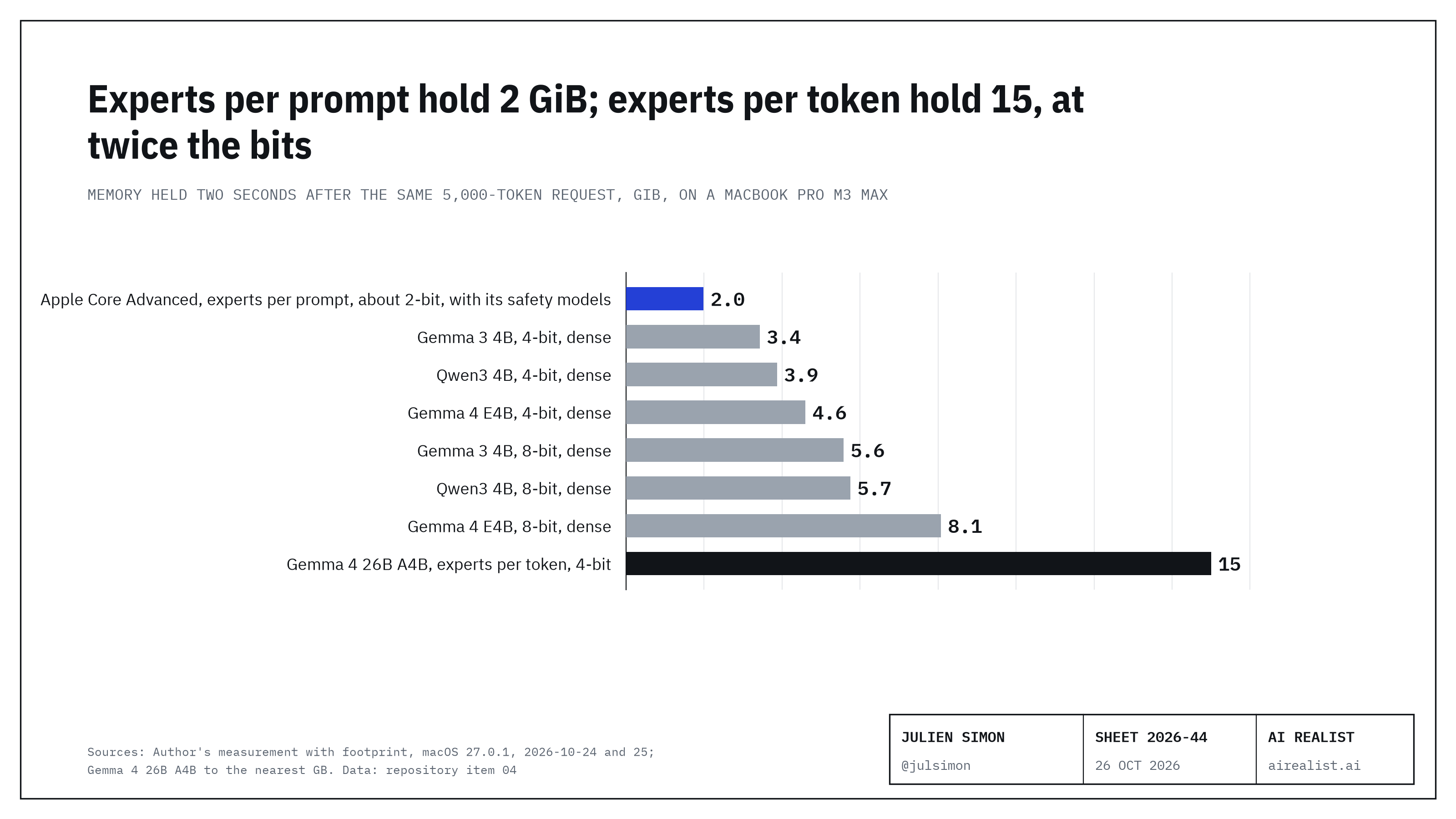
A black-box investigation of Apple’s Core Advanced model, measured with stock macOS tools. Experts live in flash and are chosen per prompt, not per token, holding 2.0 GiB of memory where a comparable open model takes 15.
What’s interesting: The on-device model works best as a cheap, always-loaded helper for short text tasks, not a reasoning engine. It trades math accuracy and tuning control for memory and battery life.
One Promptable Model for Transcription, Speakers, and Translation
Estimated read time: 11 min
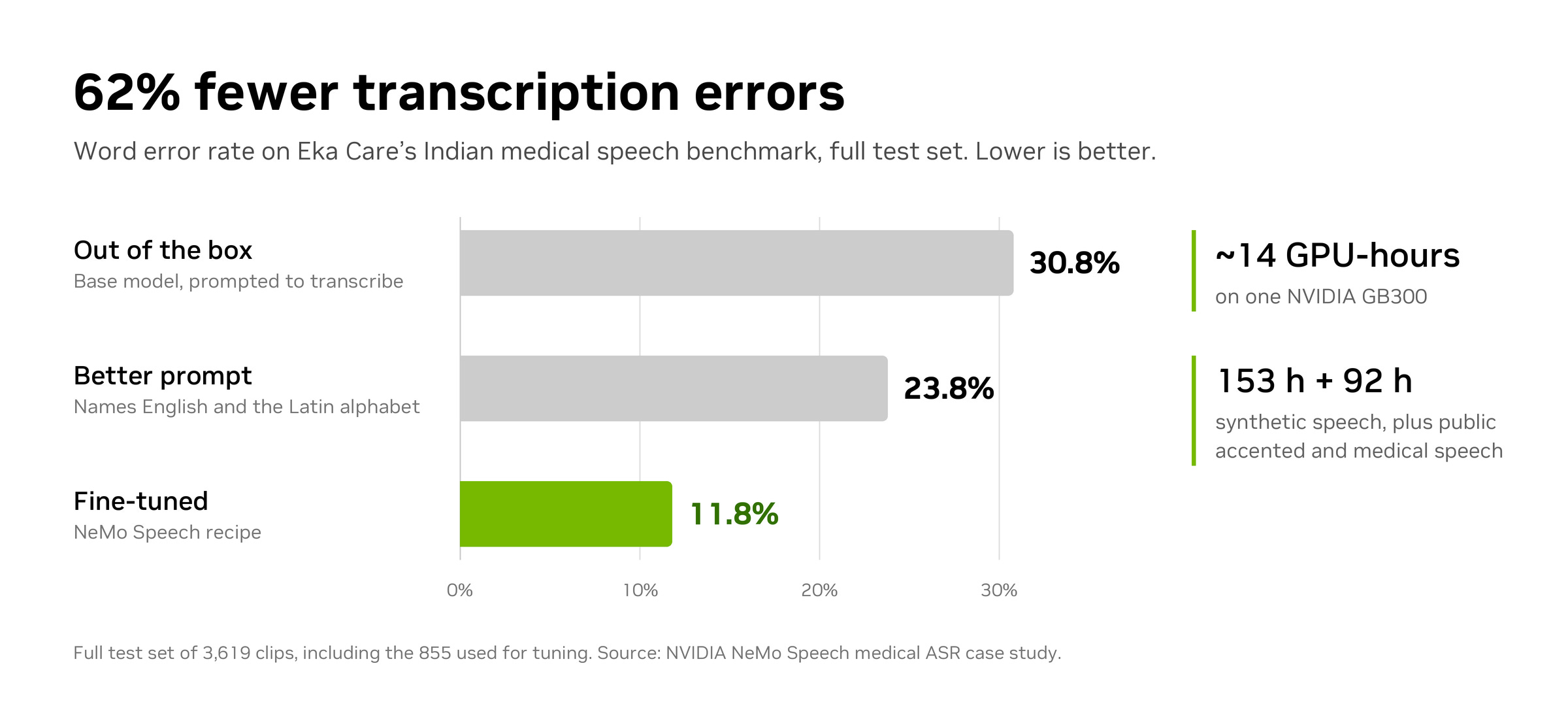
From a model you can only probe to one you can steer, NVIDIA’s Nemotron 3.5 Transcribe folds transcription, diarization, translation, and audio Q&A into one promptable checkpoint, with prompt-level control extended into training and a medical fine-tuning recipe that cuts word error rate (WER) 45.8%.
Try this: Write a better prompt before you fine-tune. Naming the language, script, and transcript format cut benchmark WER from 30.8% to 23.8% before any training started.
Stop Over-Prompting: Working With Claude Opus 5.5
Estimated read time: 4 min
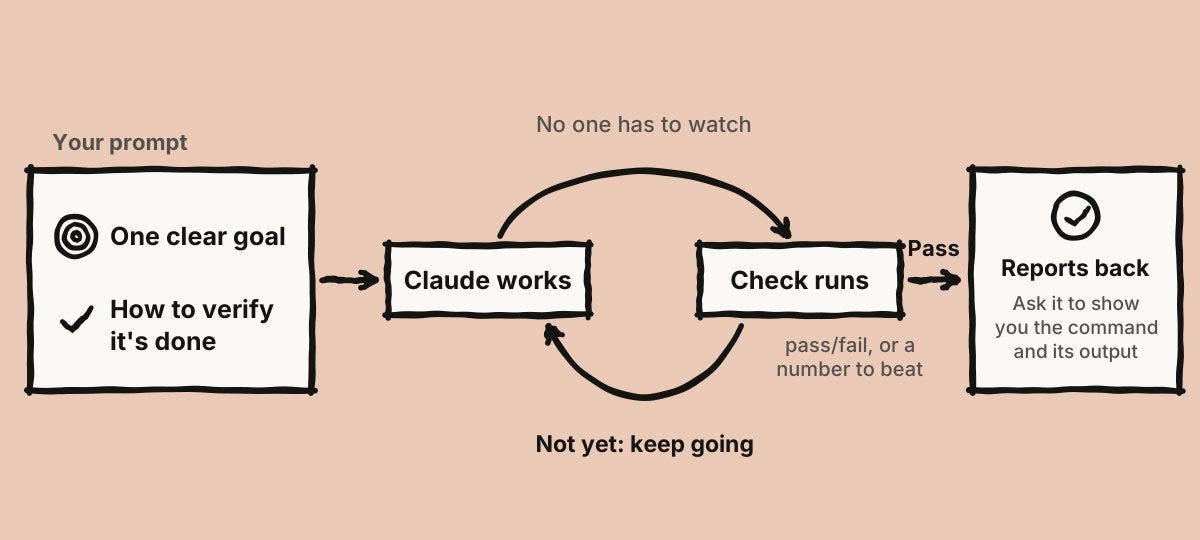
Taking the prompting lesson to frontier coding models, Addy Osmani argues newer models need far less prompting than habit suggests. He favors one clear goal plus a verification condition, trimmed instructions, sparing subagent use, cloud sessions, and automated review before a human reads the diff.
The takeaway: Prompting habits age as fast as the models do. Revisit your prompts and agent setups every few months so you stop tuning for how last year’s models behaved.
Meta’s Catching JiTTests: Tests That Prove a Bug, Not Just Flag One
Estimated read time: 7 min
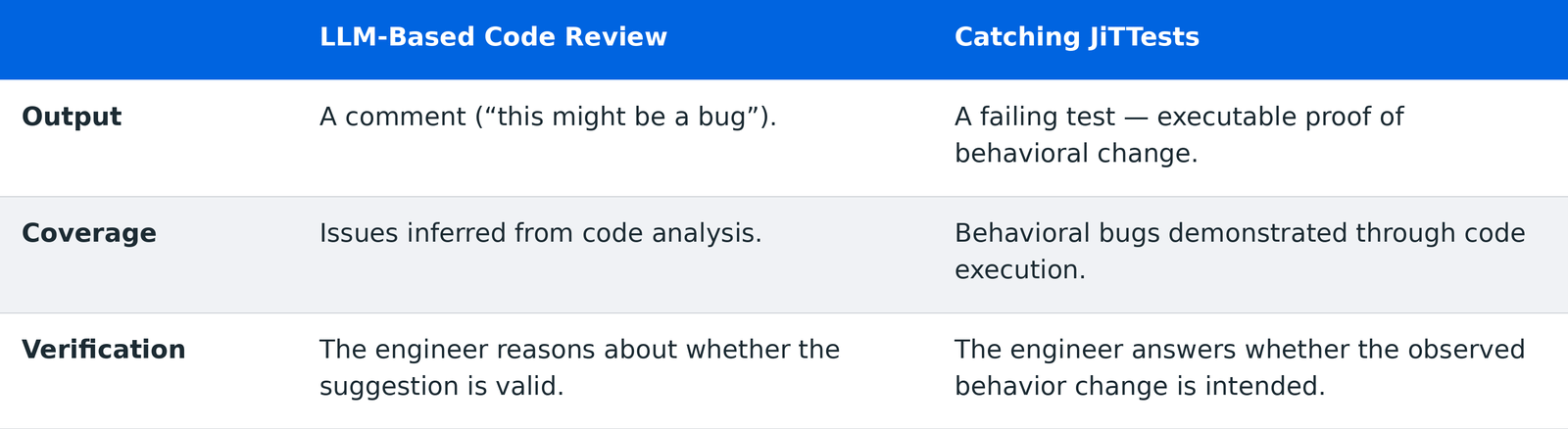
Taking automated review a step further, Meta deploys LLM-generated “Catching JiTTests” that generate failing tests proving a diff changed behavior rather than reviewing code. Overnight runs target risky diffs, an LLM-as-Judge ensemble filters false positives, and engineers supervise at the policy level.
Why this matters: An executable failing test is harder to argue with than an AI review comment. It also scales better, since engineers only confirm intent instead of reading every output.
TOOLS
The tools start with two models that do more with less, move to open image generation with real layout control, and close with two workspaces for keeping track of many coding agents at once.
GPT-6.1 Terra: Cheaper, Faster, and Far Less Wrong
Estimated read time: 4 min
Following our coverage of MiniMax’s low-cost M3.1 Flash[1] last week, OpenAI’s new mid-tier GPT-6.1 Terra model pairs visual reasoning with computer use at half the price of its predecessor, with hallucination rates dropping from 53.6% to 16.7% at low reasoning effort and doubled Terminal-Bench coding scores.
Why now: For high-volume document, form, and terminal work, the mid-tier model is now close enough to frontier quality that price and speed can decide the choice.
[1] MiniMax M3.1 Flash Targets Agentic Work at $0.15 per Million Tokens
LFM3: Small Multimodal Models Built for On-Device Agents
Estimated read time: 13 min
Going smaller still, Liquid AI’s LFM3 family packs text, vision, audio, and decision models around 2B parameters onto one backbone, with open weights tuned for on-device agents that beat larger models on tool calling and browser tasks.
The opportunity: A fine-tuned 2B specialist running locally can now beat a bigger general model on real agent work, using a fraction of the tokens and memory.
MOSS-Image: Text-to-Image With Native Layout Control
Estimated read time: 5 min
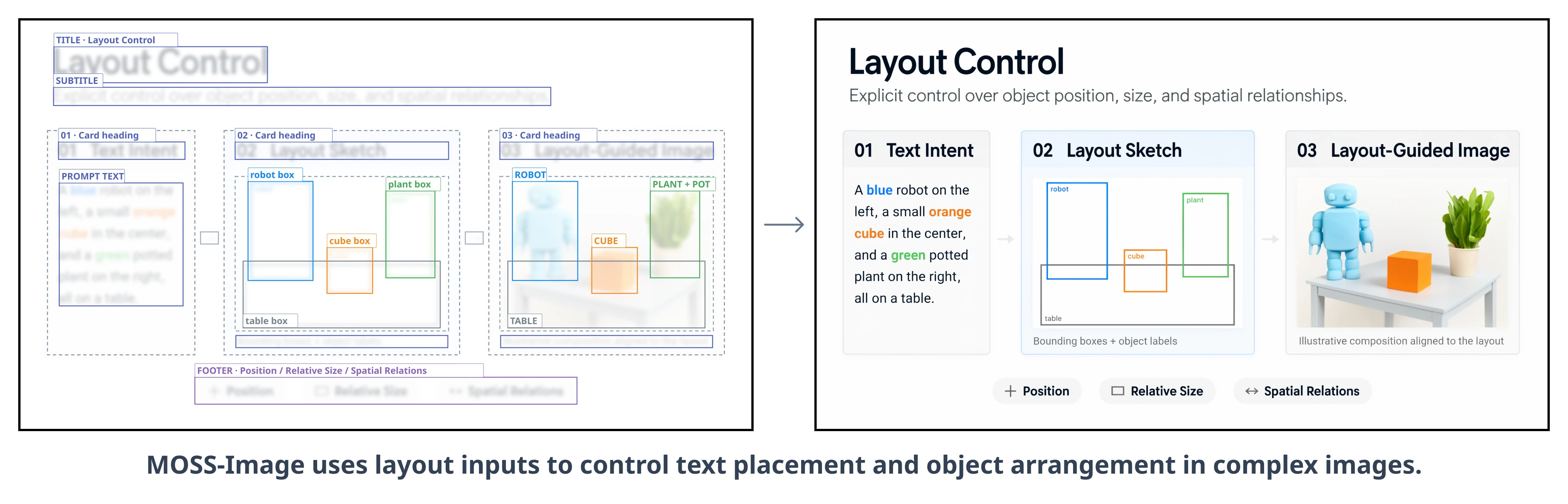
Also open, but for images, OpenMOSS releases MOSS-Image, an Apache-2.0 text-to-image family with a 5B backbone that accepts JSON layout prompts with bounding boxes, letting developers place objects and rendered text precisely instead of coaxing composition out of prose.
In practice: When composition has to be exact, describe it as structured layout data. A JSON prompt with bounding boxes beats yet another round of rewording a paragraph.
HumanLayer: A Control Room for Your Coding Agents
Estimated read time: 3 min
Shifting from models to the agents running on them, HumanLayer is an open-source monorepo for running coding agents like Claude Code, Codex, and OpenCode on your own machines while a team steers sessions, plans, and reviews from one place, synced across desktop, web, and per-host daemons.
What this enables: As agent work spreads across a team, sessions can live on shared infrastructure that everyone can steer and review, instead of staying stranded in one developer’s terminal.
Herdr: A Terminal Workspace Built Around Coding Agents
Estimated read time: 7 min
Where HumanLayer serves a team, Herdr serves the individual developer: a desktop app treating terminals and coding agents as persistent infrastructure. Spaces hold work per repo, while an agents sidebar flags which agents are blocked, working, or done across local and remote SSH machines.
Key point: With several coding agents running, the bottleneck is knowing which one is waiting on you. A terminal that surfaces agent status handles that far better than a row of tabs.
NEWS & EDITORIALS
The news opens on who governs the agent stack, then sets a new frontier model beside the index that ranks it. Two longer views close the section: models that consolidate memory offline, and why your own sentences still matter.
Four Rival Labs Hand Their Agent Infrastructure to a Neutral Foundation
Estimated read time: 5 min
The Agentic AI Foundation adds Agent Skills, Open Responses, OpenEnv, and OpenSandbox from Anthropic, OpenAI, Hugging Face, and Alibaba, reaching 10 projects and moving core agent infrastructure under vendor-neutral governance across skills, model interfaces, training, and sandboxing.
Worth noting: Building on open formats like Agent Skills, MCP, and Open Responses is getting safer, because no single vendor now controls the layers your agents depend on.
Amazon Quietly Puts Its Nova AI Models on Ice
Estimated read time: 3 min
A reminder of why neutral governance helps, Amazon shelves most of its Nova AI models into “keep the lights on” mode, redirecting compute toward a single frontier effort led by robotics researcher Pieter Abbeel, after its LLM bet failed to pay off.
The context: A model’s future depends on its maker’s commitment as much as on its benchmark scores. Check that commitment, not just the leaderboard, before you build on any big-tech model.
Gemini 4 Carbon Takes the Frontier Lead on Security and Long-Horizon Work
Estimated read time: 6 min

Meanwhile at the frontier, Google’s Gemini 4 Carbon tops the Artificial Analysis Intelligence Index and leads on cybersecurity, but the quieter story is alignment metrics treated as shipping criteria: zero benchmark cheating, zero prompt-injection success, fewer fabricated claims. It is in the voluntary Fair Winds vetting phase, with developer access coming soon.
The shift: Choosing a model for agentic coding is starting to hinge on honesty and scope discipline, not just benchmark accuracy. Alignment results are now worth reading alongside the leaderboard.
Who Benchmarks the Benchmarkers?
Estimated read time: 10 min
Gemini’s lead is measured by Artificial Analysis’s v5 Intelligence Index, which reweights coding, science, and knowledge work. Echoing our look at Hamel Husain’s case for testing a score before trusting it[2] last week, the analysis argues benchmarking comes down to trust, since every index encodes its creator’s worldview and funding model.
The reframe: Any single intelligence score is one opinionated view of the frontier. Check which benchmarks it weights before you let it drive a model choice for your team.
[2] Decision Models for Evals: Tune the Threshold Before You Trust the Score
Teaching LLMs to Sleep on It
Estimated read time: 8 min
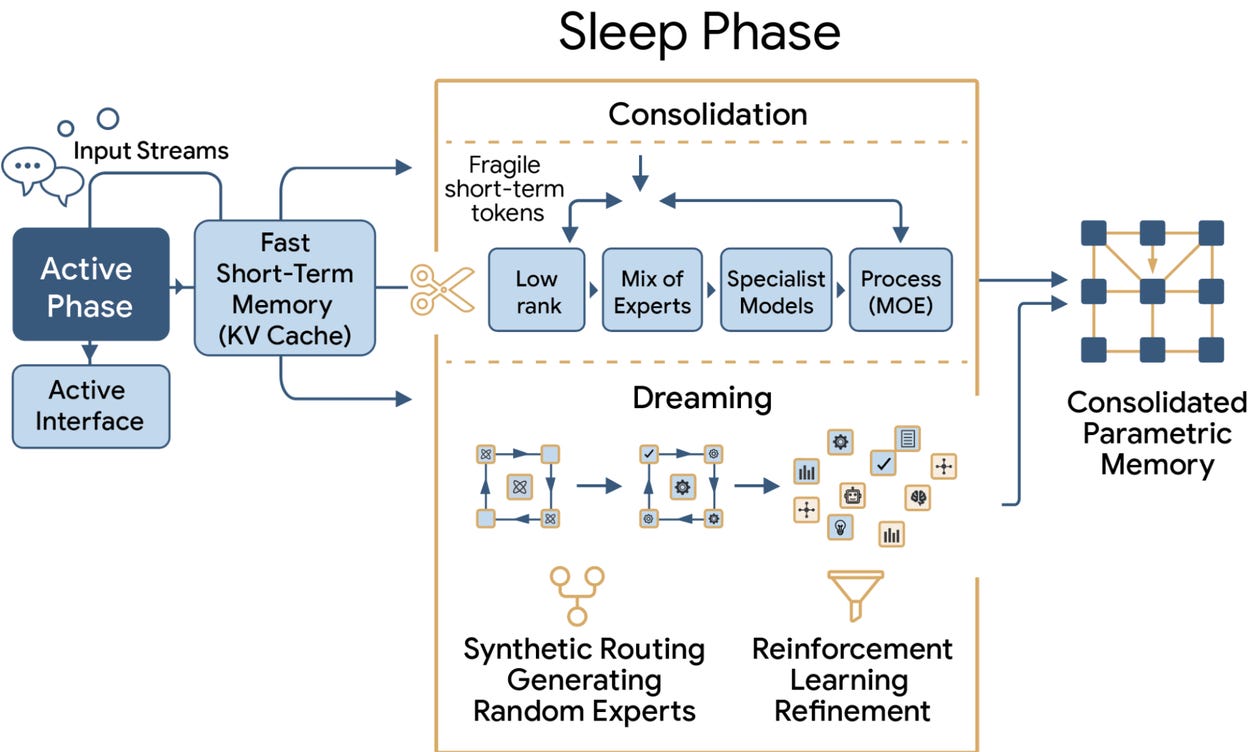
Looking past today’s scores, Google Research proposes a sleep framework for LLMs: alternating active sessions with offline phases that fold short-term context into long-term weights, retaining 10M-token context, absorbing new facts, and improving reasoning without catastrophic forgetting.
Looking ahead: Context windows may stop being the only place a deployed model learns, as offline consolidation turns what it saw in a session into permanent parameters.
LLM-Voice and the Uncanny Valley of Prose
Estimated read time: 6 min
Finally, on the writing we still do ourselves, an argument against letting LLMs draft your prose: machine voice triggers an uncanny valley reaction in readers, and delegating writing means delegating thinking. Exceptions are allowed for accessibility, translation, and documents nobody will read.
How to use it: Let an LLM help you search or sketch an outline, but write the sentences yourself. The thinking happens in the writing, and readers can tell the difference.