


Hello, and welcome back to Altered Craft’s weekly AI review for developers. We appreciate you reading along each week. This edition keeps returning to targets: a swarm that only works in parallel when the reward pays for speed, coding agents that chase an imagined grader instead of the spec, and a case for buying only the reasoning effort a task needs. Addy Osmani closes with the human side, deciding what verified means before you prompt.
TUTORIALS & CASE STUDIES
This week’s tutorials start with the plumbing, a tour of MCP and a local multi-tool agent, then scale up to training agent swarms. They close on measurement: when a cheap judge can be trusted, and what coding agents actually optimize when a benchmark is watching.
MCP Explained: An Interactive Tour of the Model Context Protocol
Estimated read time: 6 min
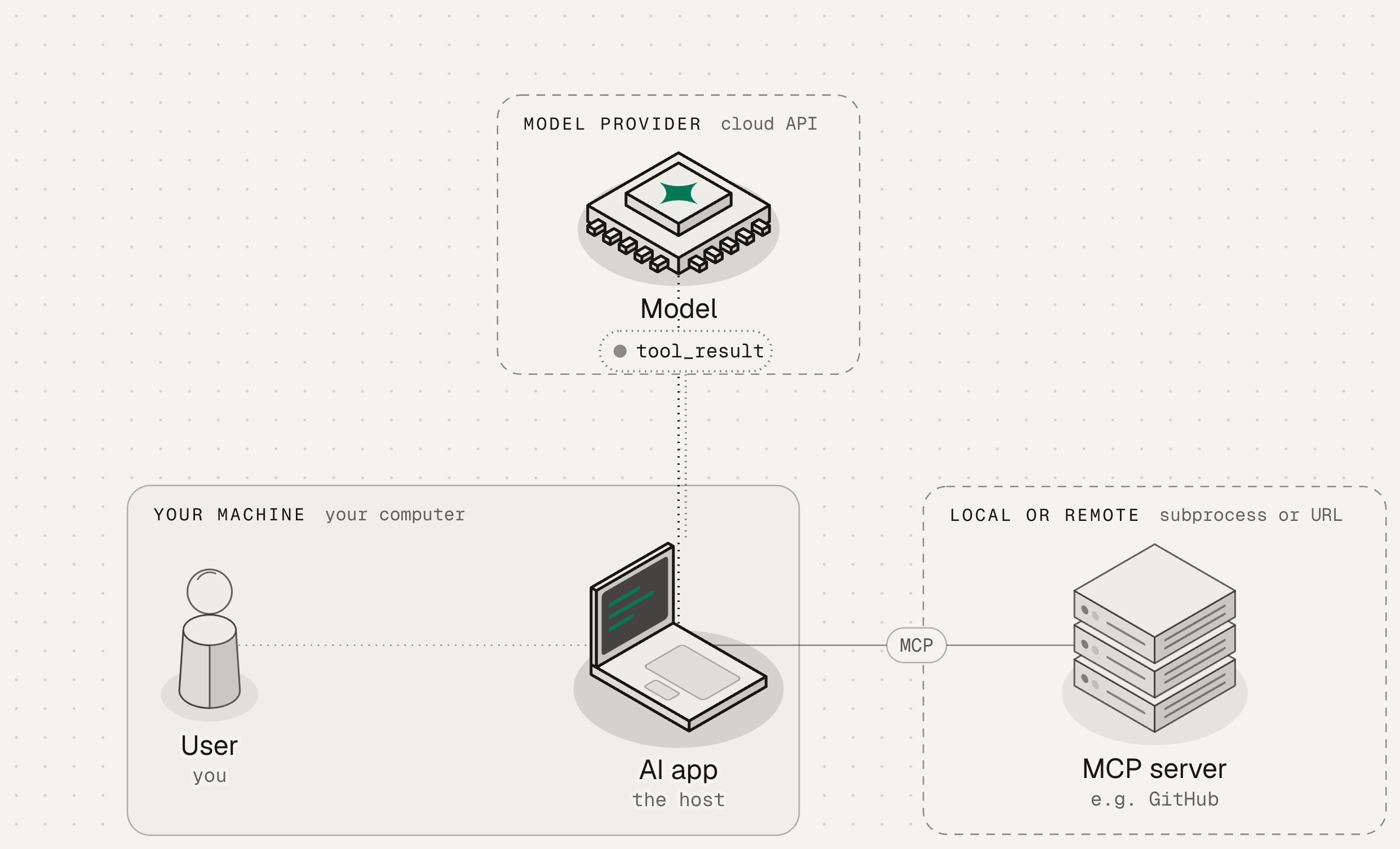
An interactive explainer breaks the Model Context Protocol into host, server, and model, then walks through transports, capability negotiation, and auth, showing what actually goes inside the JSON-RPC envelope and why MCP is neither REST nor plain JSON-RPC.
Why this matters: Once you can picture the host, server, and model split, debugging your own MCP integrations becomes tractable, because you know which side owns each message.
Build Your First Multi-Tool AI Agent with Ollama and Python
Estimated read time: 11 min
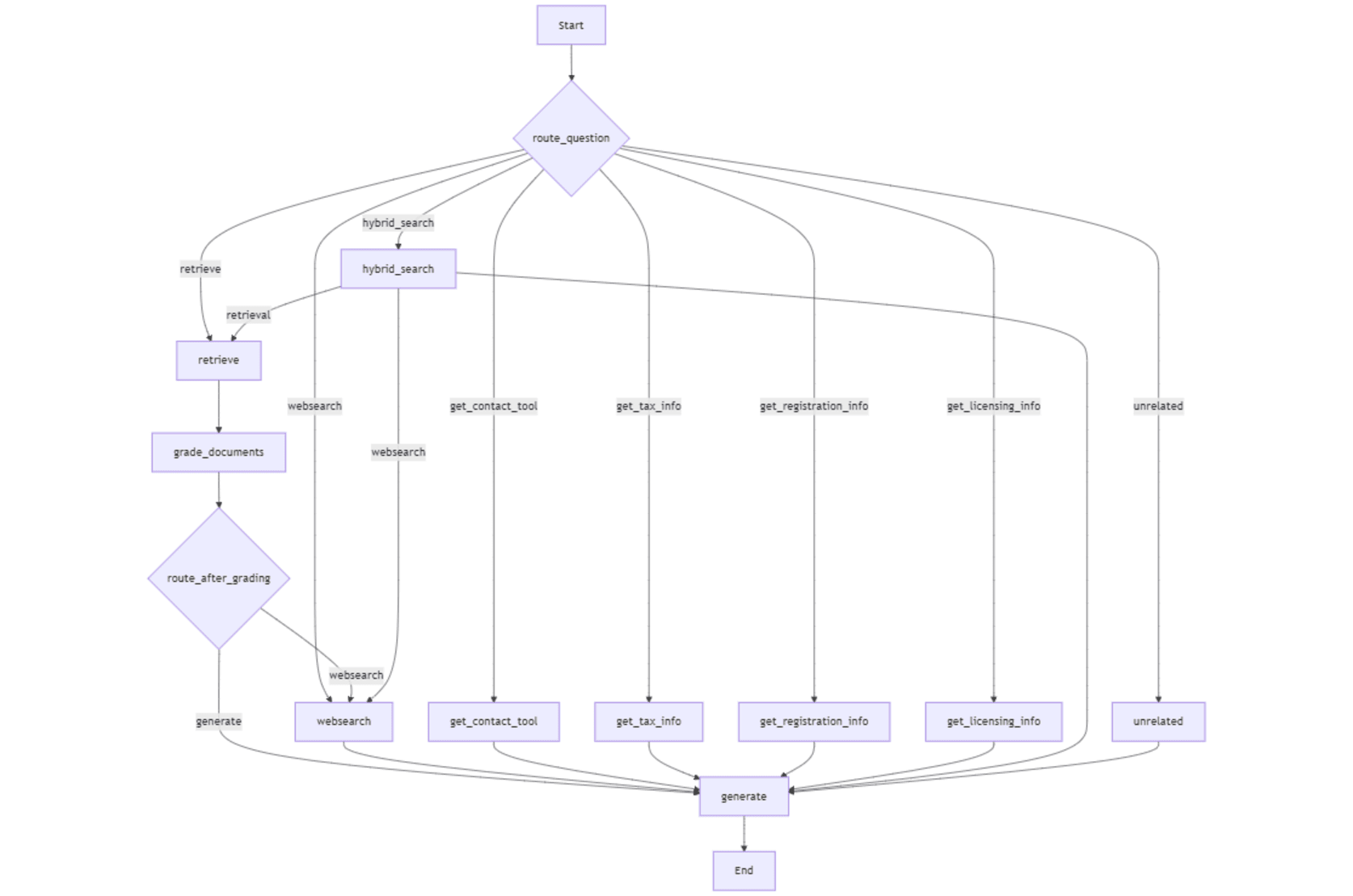
With the protocol in view, a back to basics hands-on tutorial wires a local Ollama model to several Python tools, showing that tool-calling agents run fine on local models without API keys, cloud costs, or a heavyweight agent framework.
Try this: Prototype a working multi-tool agent entirely on your own machine first. You learn the tool-calling loop before committing to any hosted model or framework.
How to Train a Swarm: Reinforcement Learning for Agent Collectives
Estimated read time: 13 min
Scaling from one agent to many, a public recipe trains agent swarms with reinforcement learning: a shared policy, a flat collective reward, and time limits as the sole latency pressure, with metrics showing collectives do more useful work as training progresses.
Key point: Parallel agent work is not something you prompt for. It emerges only when the reward design makes finishing faster actually pay, so design the incentive before the orchestration.
Calibration Beats Accuracy: Routing Cheap Models to Frontier Judges
Estimated read time: 11 min
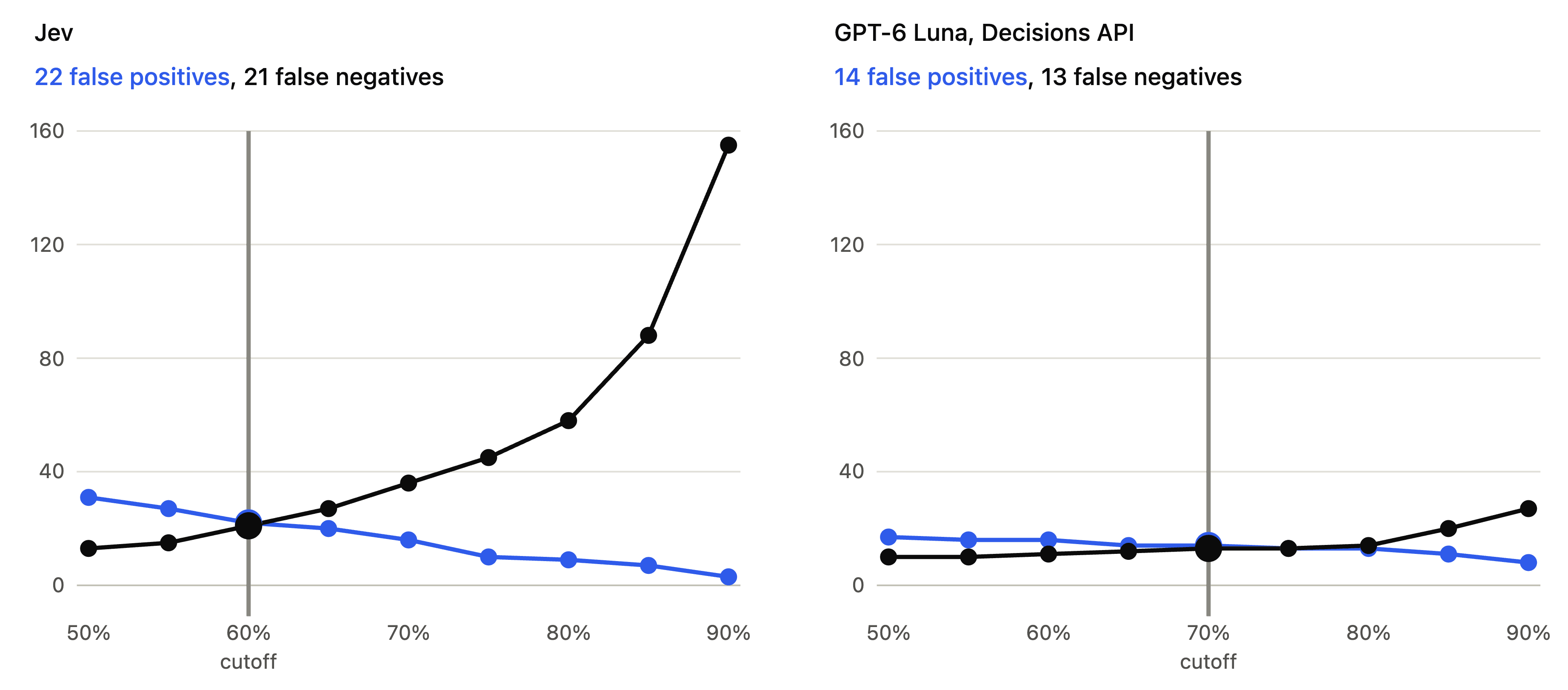
Also about getting the incentive right, a benchmark pits cheap decision models against frontier LLMs on grading identity resolution. The finding: calibrated confidence beats raw accuracy when routing uncertain cases upward, reaching 98.8% accuracy at roughly four times lower cost.
In practice: When building a model cascade, pick the small model whose confidence scores you can trust, not the one with the best standalone score. Trustworthy uncertainty is what makes routing work.
When Coding Agents Guess the Grader Instead of Reading the Spec
Estimated read time: 14 min
Where our look at Gemini 4 Carbon’s zero-benchmark-cheating claim[1] last week treated gaming as a shipping bar, MaxxBench measures how common it is. Small requirement changes to 89 DeepSWE tasks fan scores out dramatically, and trajectories show models overriding stated requirements to match imagined hidden tests.
The takeaway: If a coding agent optimizes for what it thinks you will check rather than what you asked for, benchmark parity says little about how it handles your follow-up requests.
[1] Gemini 4 Carbon Takes the Frontier Lead on Security and Long-Horizon Work
TOOLS
The tools open with two takes on coding agents, one scoped to a single repo and one trained on far less data. They then move to a semantic layer for data agents and close with robots that plan in pictures rather than tokens.
dsh-superagent: A Proactive Coding Agent Scoped to One Repo
Estimated read time: 3 min
DeepSeek’s research prototype packages a proactive coding agent for a single GitHub repo. It opens work items, runs them in isolated sessions, and replies with pull requests, acting only when asked or when a team-written rule allows.
Worth noting: An agent that can act for a whole team can also drain a whole team’s attention. Scope its triggers and its right to speak before you scale its autonomy.
Ripple: 80.5 on TerminalBench with 70x Fewer Rollouts
Estimated read time: 2 min
Also on coding agents, but at the training layer, a writeup details how the Ripple model skipped purchased post-training data for in-house synthetic pipelines, reaching 80.5 on TerminalBench 2.1 with 1.4M rollouts, roughly 70x fewer than the prior state of the art.
What’s interesting: Careful recipe design and task curation beat raw compute here. Look at how a model was trained before assuming the bigger budget wins.
NVIDIA Auto Ontology: A Context Layer for Agentic Analytics
Estimated read time: 9 min
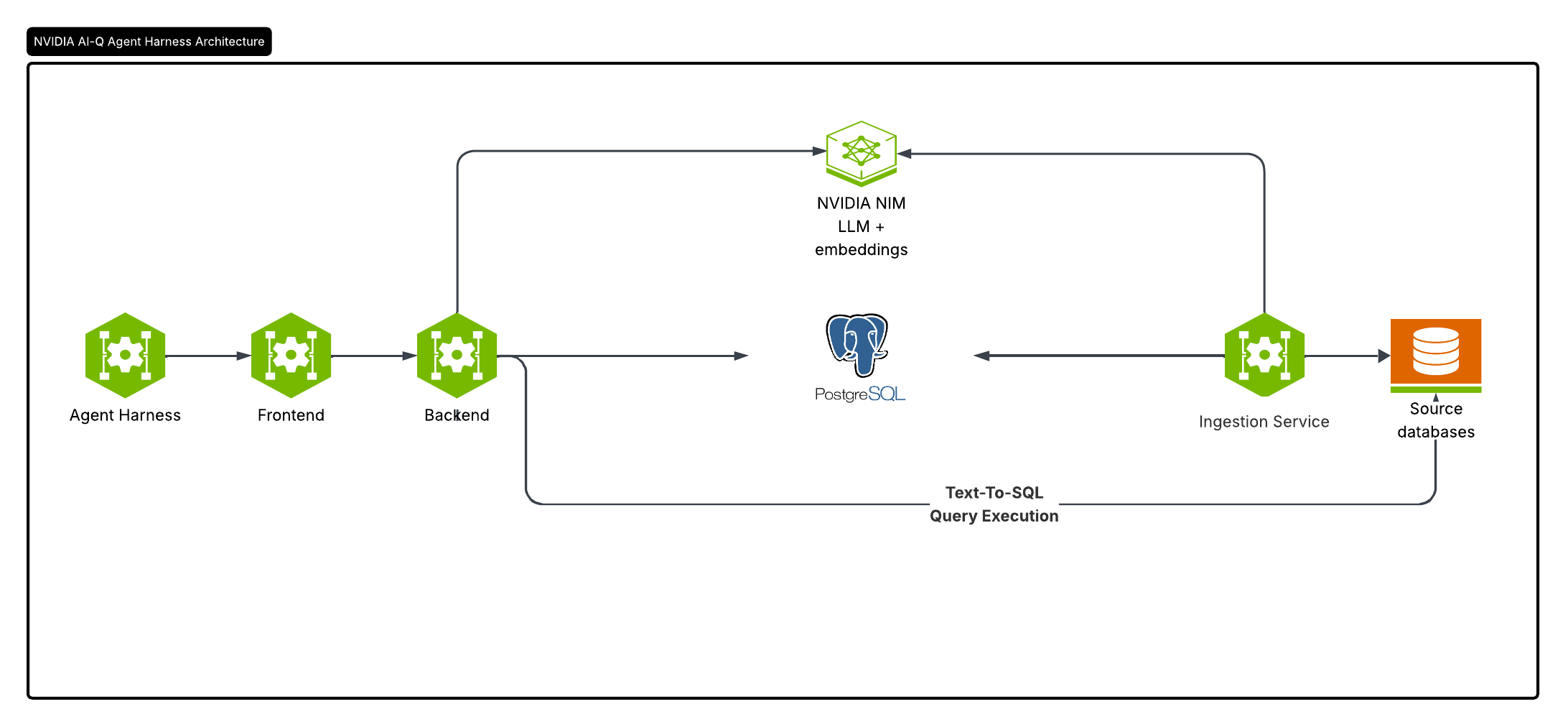
Shifting from code to data, NVIDIA’s open-source library generates business ontologies from database metadata, then serves them to agents over MCP, CLI, and REST. Agents check answerability before writing SQL, returning queries, joins, and provenance with every answer.
What this enables: Text-to-SQL agents get trustworthy when a certified semantic layer sits between the question and the schema, and when the agent can say the data cannot answer.
VFlash: Parallel Visual Planning for Robots and Self-Driving Stacks
Estimated read time: 9 min
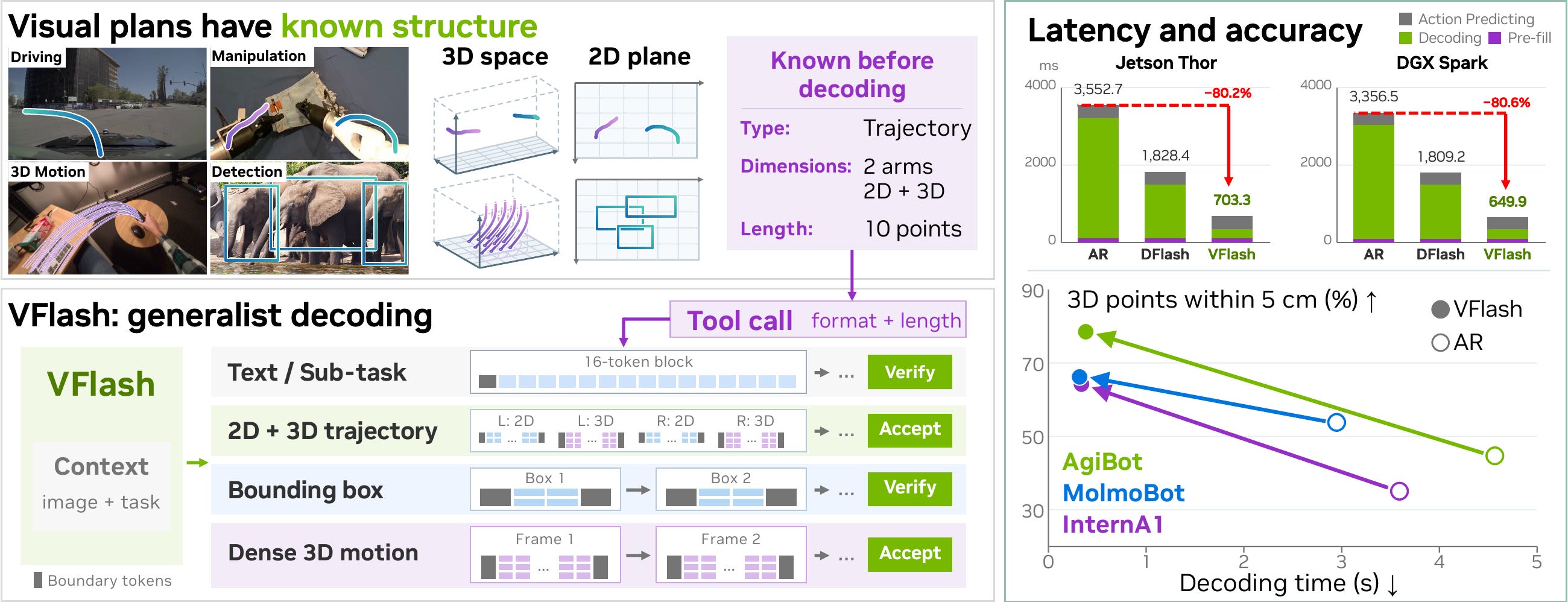
Staying with NVIDIA, VFlash swaps autoregressive coordinate generation for parallel decoding of whole visual primitives, letting robots and driving stacks think in visual plans, not text tokens. Results: 42.6% lower 3D trajectory error and 5x faster inference on Jetson Thor.
The technique: When a model’s output has known structure, decode the whole structure at once instead of one token at a time. Here that gains accuracy and speed together.
NEWS & EDITORIALS
The news starts with what reasoning effort actually buys, then turns to security from two angles: the guardrail as an attack surface, and legacy bugs under AI-speed scrutiny. Addy Osmani closes with the habits that keep review from turning into approval.
You’re Probably Paying Too Much for Reasoning Effort
Estimated read time: 7 min
Following our coverage of GPT-6.1 Terra’s gains at low reasoning effort[2] last week, Vals AI benchmarks seven frontier models across three reasoning settings and finds lowering reasoning effort cuts cost far faster than score, with four models keeping 80% of their Vals Index result at half the price or less.
The opportunity: Default to maximum reasoning only where your own evals justify it. For many tasks a lower setting buys nearly the same quality at a fraction of the cost.
[2] GPT-6.1 Terra: Cheaper, Faster, and Far Less Wrong
Lessons From Red-teaming Auto-review, OpenAI’s Blocking Monitor
Estimated read time: 9 min
From cost to safety, a red-teaming write-up on LessWrong examines Auto-review, the blocking monitor OpenAI uses to screen model requests, and argues that safety monitors are themselves attack surfaces worth probing.
Why now: If a model-based guardrail sits in your stack, test it like an adversary before trusting it in production. The monitor is part of the system, not outside it.
PHP2Shell: When AI Turns an Old Crash Report Into a Critical Exploit
Estimated read time: 6 min
The same tooling cuts both ways. A 2024 crash report in PHP sat unfixed until AI-assisted researchers turned it into remote code execution, exposing WordPress and Drupal sites, a sign of decades of legacy code now facing AI-speed scrutiny while patching lags behind.
The context: The tedious work of turning a “just a crash” report into an exploit is now cheap, so treat crash bugs in your own code as worth fixing now rather than low priority.
Critical Thinking When Agents Do the Work
Estimated read time: 17 min
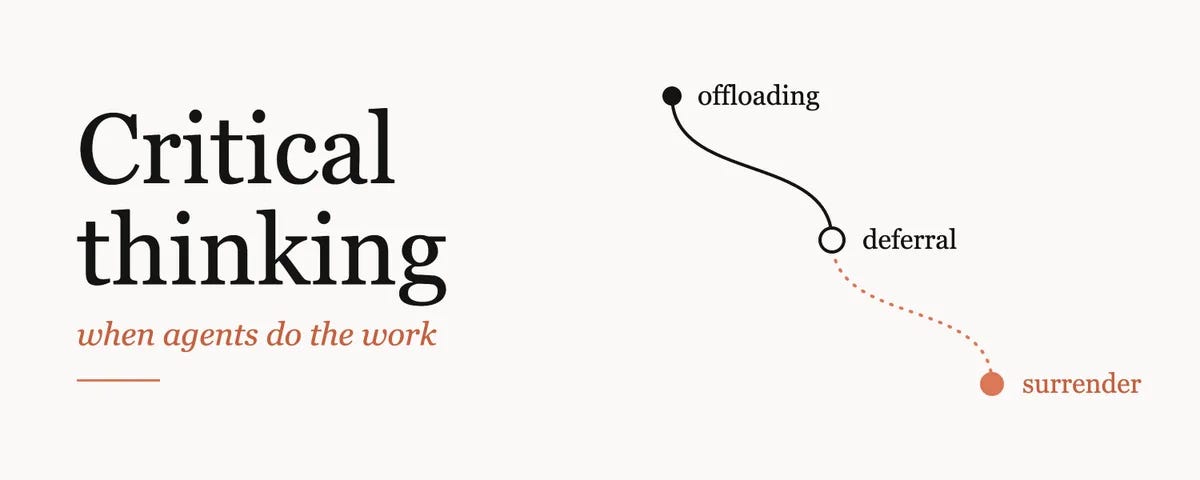
Continuing our discussion of his case for leaner prompting[3] from last week, Addy Osmani maps a spectrum from cognitive offloading to cognitive surrender, where agent output silently becomes your own. His habits: form a hypothesis before prompting, define “verified” upfront, and defend what you ship.
The reframe: If you cannot explain the line someone asks about, you did not review the work, you approved it. Deciding what verified means before you prompt keeps you on the right side.