


On February 28th, 120 hackers walked into a room in Portland with nothing but ideas and three hours on the clock. By the end of the day, 52 teams had submitted working prototypes built with Claude. PDX Hacks’ first Claude Code hackathon, co-organized with AI Collective, asked a simple question: what can you build with frontier AI before the afternoon is over?
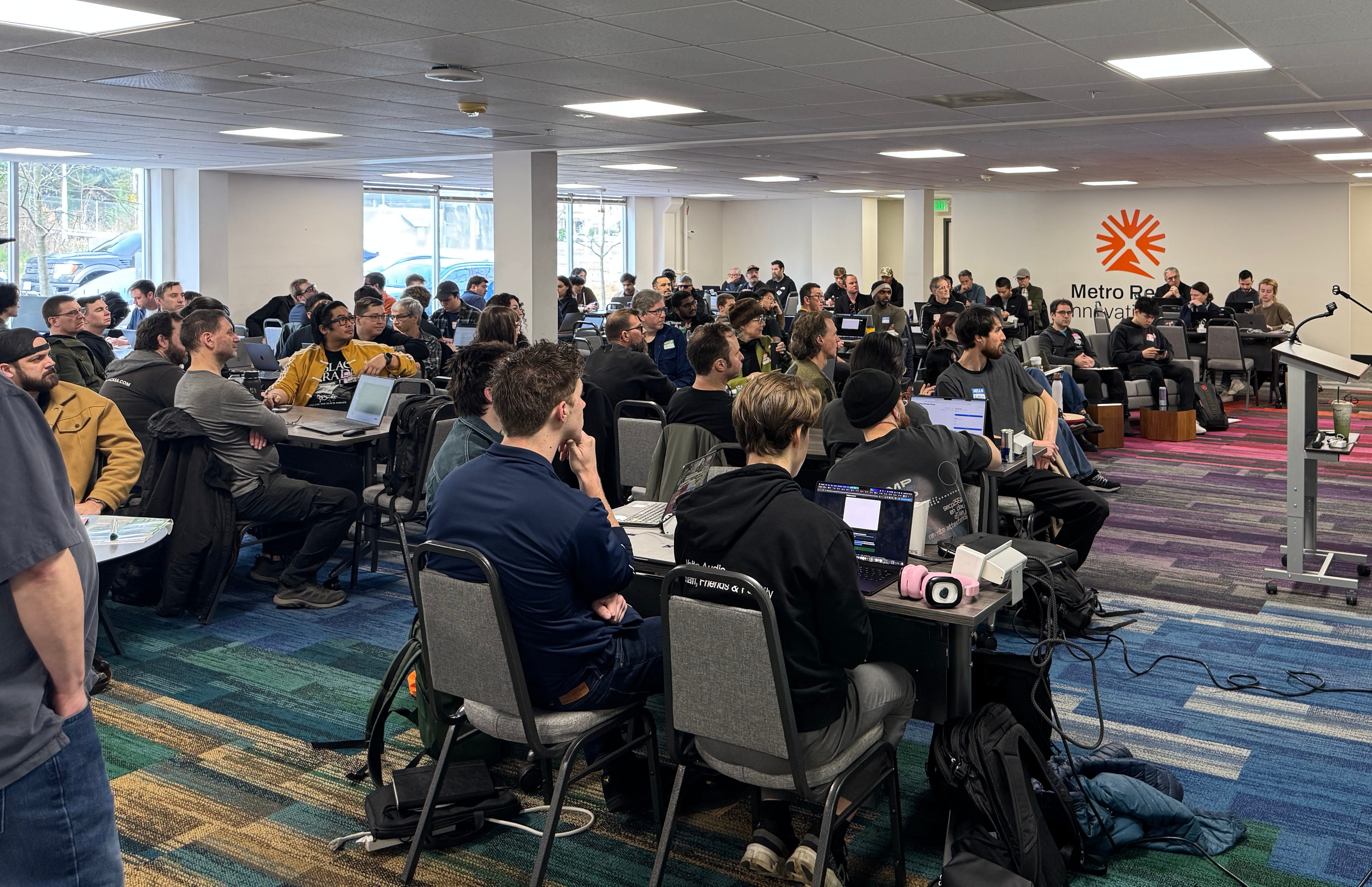
The results were remarkable. Not because they were polished (though several were), but because 52 teams demonstrated the sheer range of what small groups can accomplish with frontier AI when the constraints are tight and the energy is right.
I was part of the core organizing team for this event, handling planning and day-of coordination. It was an incredible experience watching these projects come together in real time.
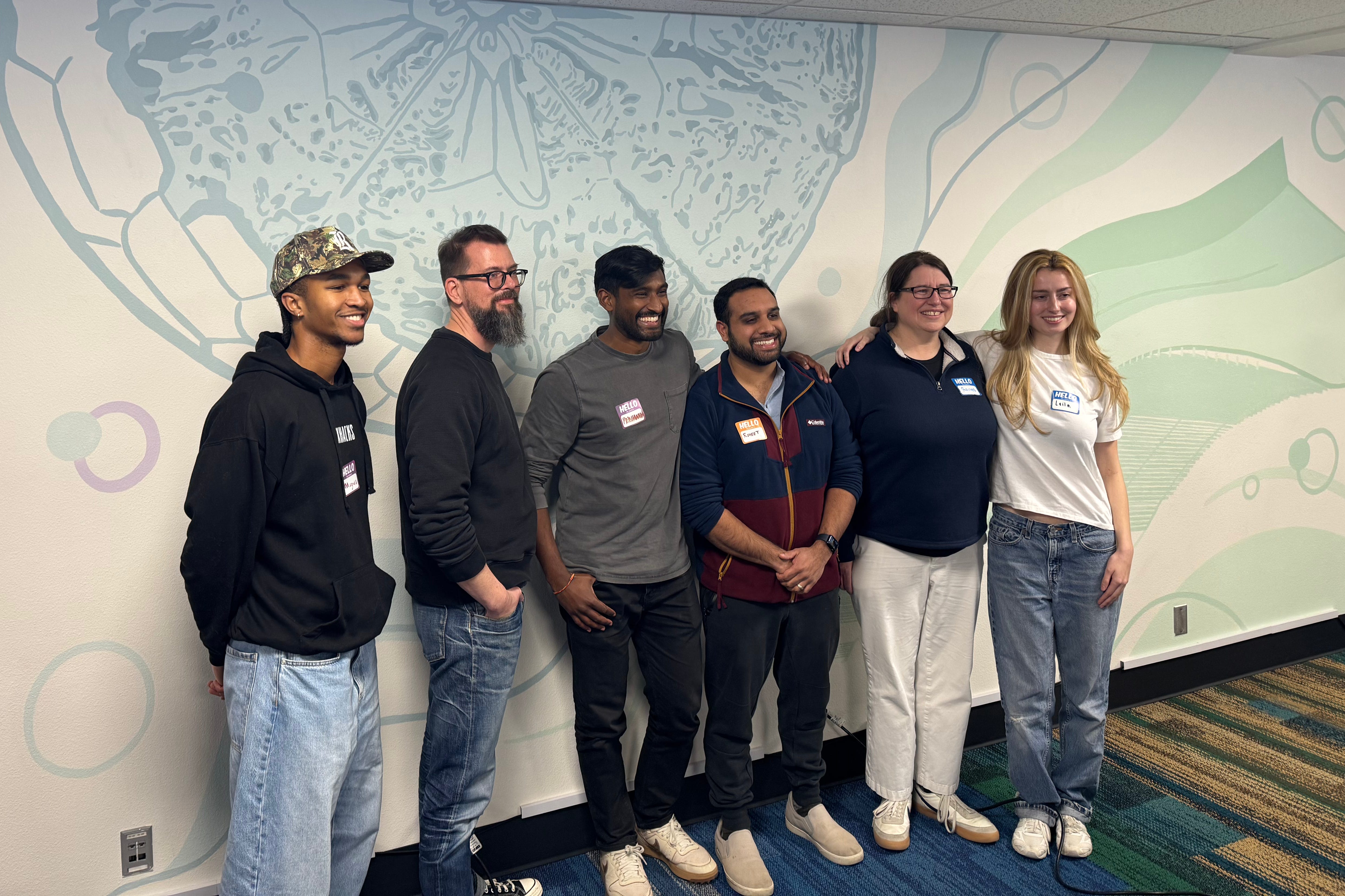
Choosing winners from 52 submissions was genuinely difficult. The range of ideas was wide: adaptive game AI, civic tech, local business intelligence, brand generation, and more. Every team that submitted built something real. These four stood out to the judges.
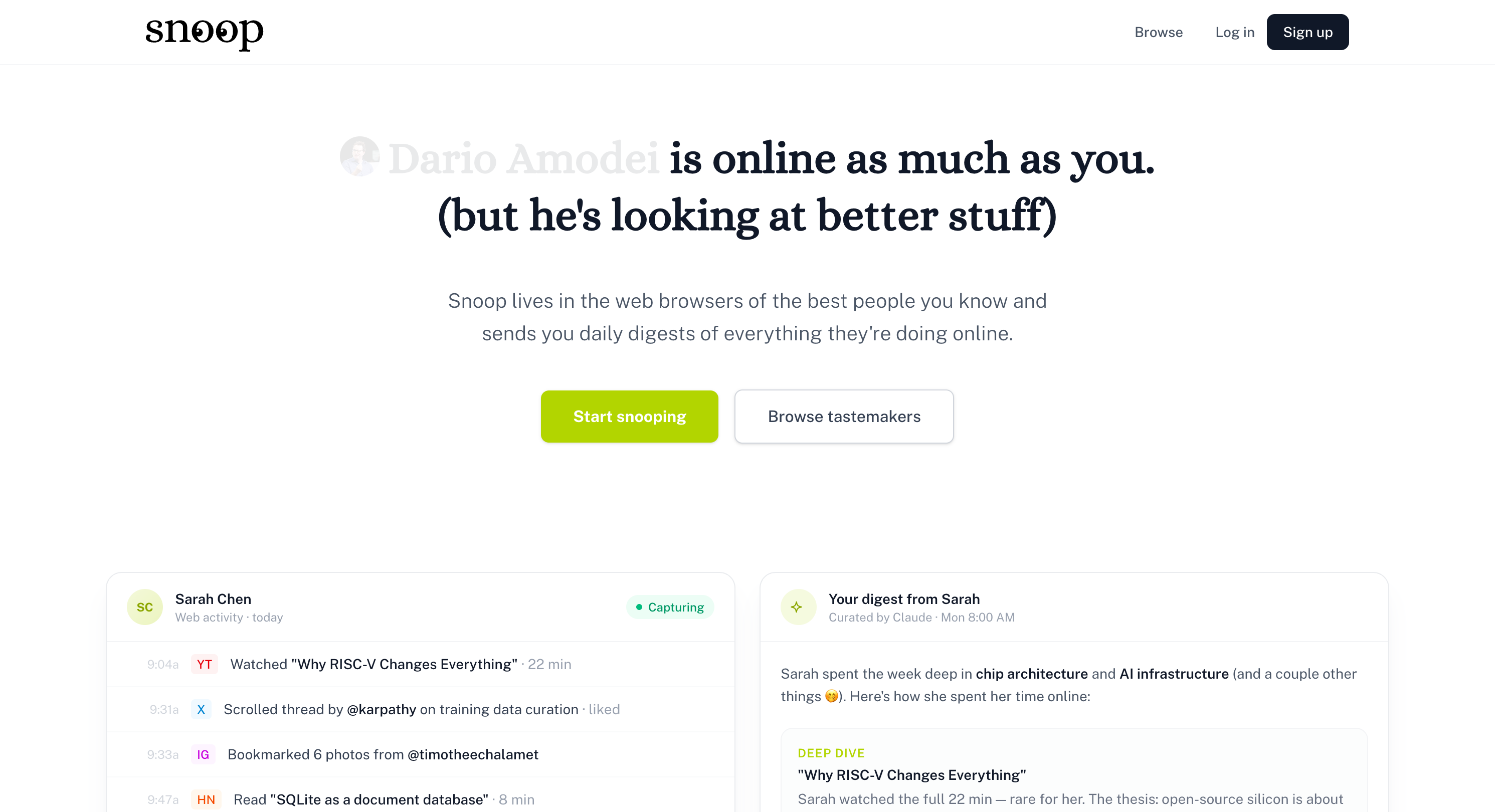
First Place: Snoop (SnoopFeed)
Rachel Andrews Hardy and Leila Hardy
SnoopFeed flips the newsletter model on its head. Instead of asking experts to write, it watches what they read. The Chrome extension passively logs browsing activity, then uses Claude to analyze patterns and generate a curated newsletter from that consumption. Creators set their own subscription price. Readers subscribe to the people whose taste they trust.
The insight is sharp: the most valuable people in many industries aren’t necessarily the ones producing content. They’re the ones consuming the right stuff. SnoopFeed turns that curation instinct into a product.
The site is live at snoopfeed.com.
Second Place: Signal Intelligence
Jack Hott
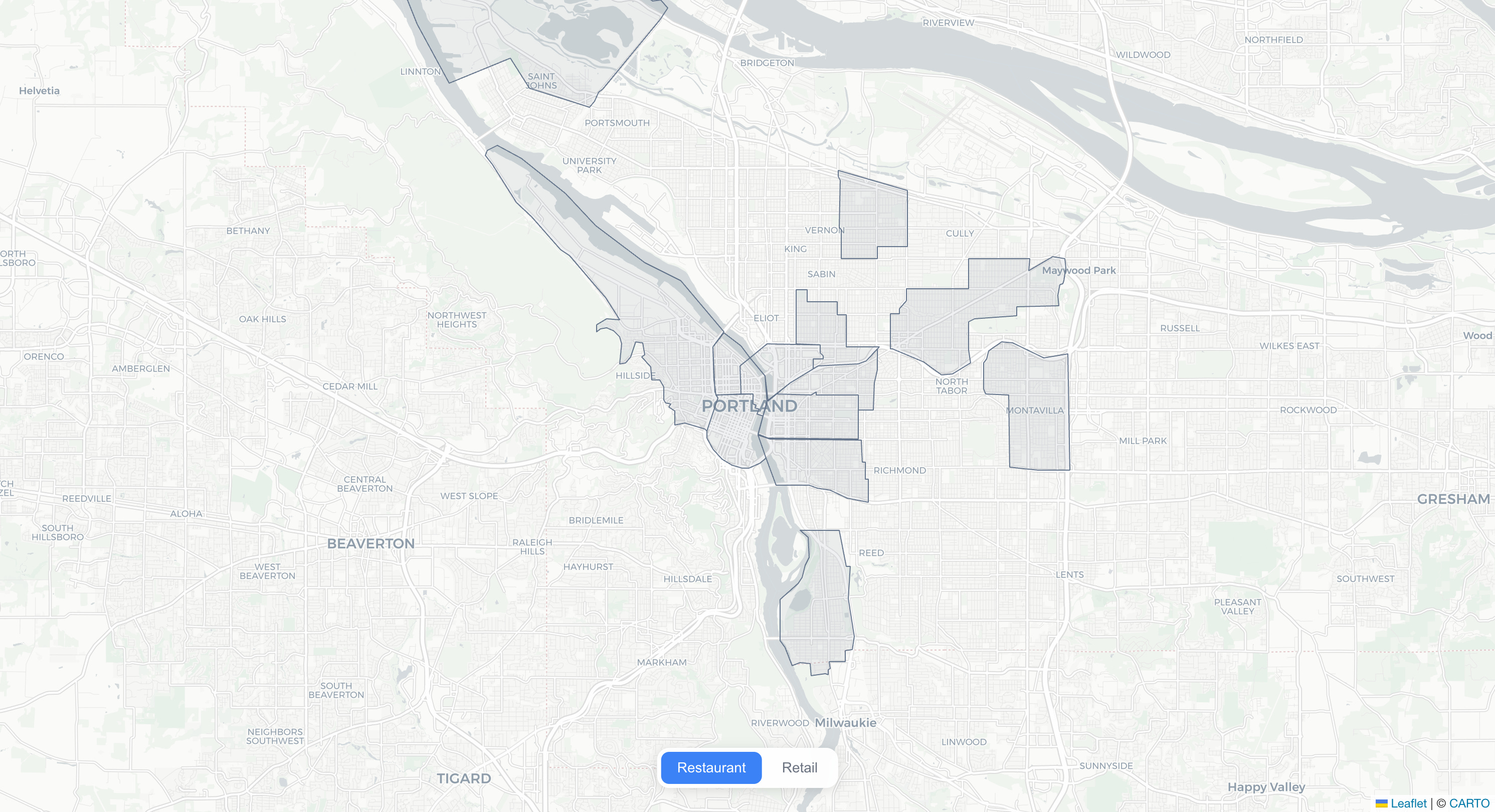
Signal Intelligence tackles a real gap: small businesses making decisions without the data that large corporations take for granted. The platform pulls from weather APIs, traffic and road conditions, and large-scale event feeds, then uses Claude Haiku for web searches of local venue events. A Claude Sonnet model reviews the pooled data and generates daily briefings per Portland neighborhood.
The thesis resonates. Small businesses can now leverage data in ways previously only available to companies with dedicated analytics teams. The architecture is intentionally modular. More data sources slot in without structural changes, and briefings get more granular as coverage expands.
The app showing an interactive map of Portland neighborhoods with restaurant and retail filters.
Third Place: TownHall AI
Prashanth Peketi and Roheet Kakaday
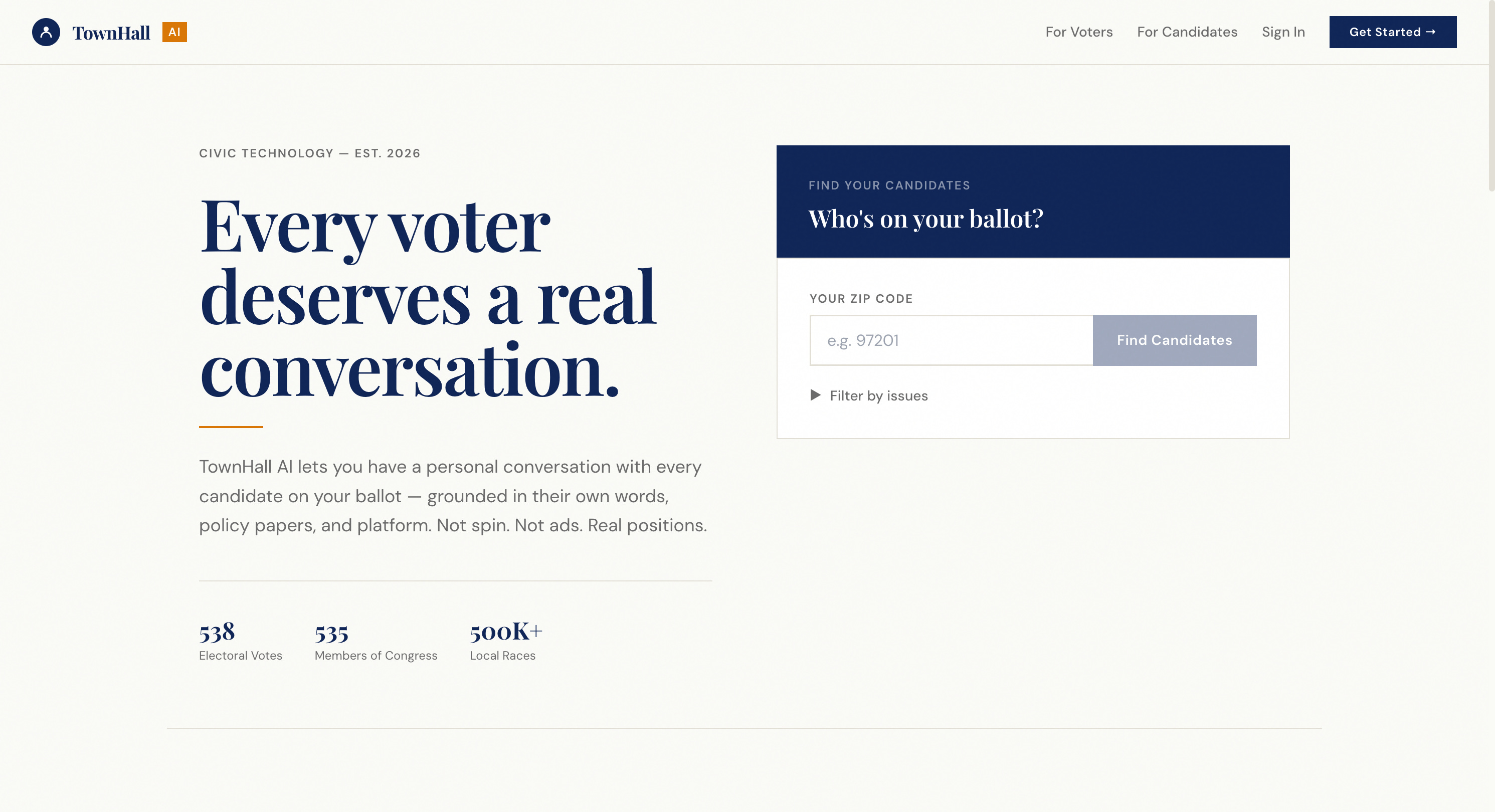
TownHall AI addresses voter engagement at the level where it matters most and happens least: local races. The platform gives every political candidate an always-on AI representative, trained exclusively on their own platform documents and public statements. Voters enter their ZIP code, see who’s running in their district, and have a real conversation with a grounded, source-citing AI.
The details matter here. Candidates get an admin panel to upload policies, tune their AI’s voice, and block topics. Every one of those actions is recorded in a public audit log. They even built an alignment score powered by Claude Opus that cross-checks uploaded platforms against public records, flagging inconsistencies in real time.
Down-ballot races shape daily life more than national politics but get almost zero voter engagement. TownHall AI is a thoughtful attempt to close that gap.
The site is live at: https://townhallai.vercel.app/
Fourth Place: Claude Brand Builder
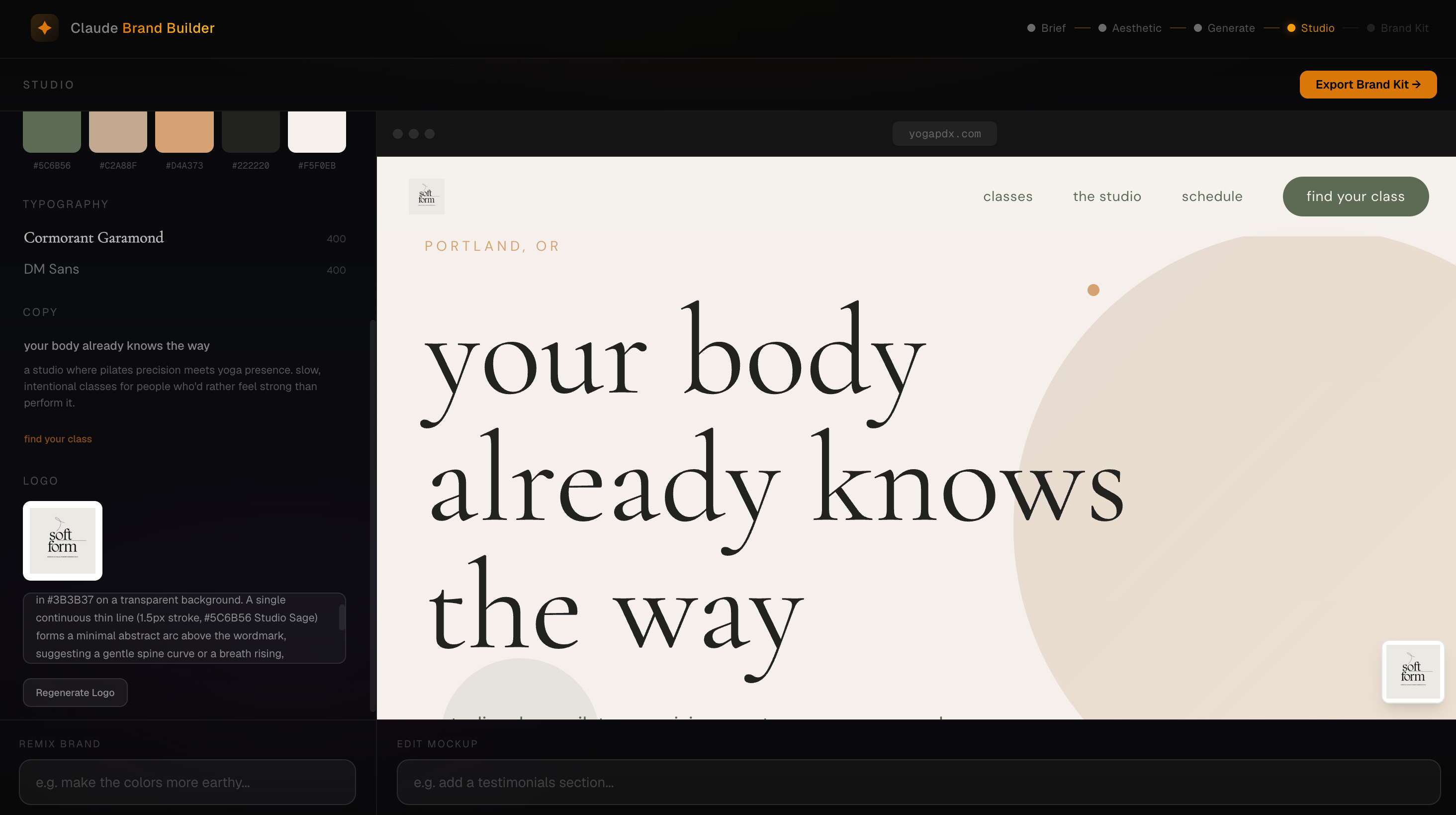
Claude Brand Builder is an agentic design agency in a single app. Describe a business idea or upload a few “vibe” screenshots, and a multi-step workflow kicks off: Claude analyzes visual signals to define brand DNA, streams a cohesive brand kit with color palettes and font pairings, generates a logo via the Ideogram API, and renders a fully responsive Tailwind landing page in a live iframe.
Magnus built it out of personal frustration. While launching another project, he found himself context-switching between logo generators, marketing tools, and frontend code. The brand’s identity existed only in his head. Claude Brand Builder keeps everything in one coherent system where the logo, the code, and the colors share the same brain.
What a Day Looks Like
The format was deliberately compressed. Doors at 9:30, kickoff at 10:00, all project submissions by 1:00 PM. Judges narrowed to a top 10, teams presented for three minutes each, and winners were announced by 2:45. Anthropic provided API credits to all participants. Solo hackers and teams of up to four were welcome.
That compression is part of what makes a hackathon valuable. There’s no time to over-architect, no room for scope creep. You build the thing or you don’t. Every winning project shipped a working prototype within that window.
Portland’s Builder Community
What surprised me most wasn’t any single project. It was watching 120 people from different backgrounds, different companies, and different experience levels find common ground over a shared problem. Teams formed on the spot between strangers. People who came solo left with collaborators. Experienced engineers paired with newcomers, and both sides learned something. The ideas that emerged from those combinations were better than anything a homogeneous group would have produced.
That’s the real value of a community hackathon. It’s not the prizes or the demos. It’s the friendships formed, the ideas exchanged, and the realization that your city has more builders than you thought. PDX Hacks and AI Collective did the unglamorous work to make this happen: venue, sponsors, judges, logistics, and the community network to fill a room with the right people. That work matters.
If you’re a community leader in your own city and you’ve been thinking about organizing something similar, do it. The tooling has never been more accessible, the interest has never been higher, and the impact on your local builder community is real. 120 people showed up in Portland on a weekday. Your city has that energy too.
I had an amazing time being part of the organizing team. Watching talented people build something from nothing in a few hours is a kind of joy that’s hard to describe. I’m looking forward to the next one.